

Stress is an unavoidable part of life. Work deadlines, family responsibilities, financial pressures, or even scrolling through the news can trigger it. In small doses, stress is actually helpful — it sharpens focus and prepares the body to respond to challenges. But when stress becomes constant, it wears down the nervous system and health.
When your body gets stuck in fight-or-flight mode, your nervous system is constantly on high alert. Muscles tighten, blood pressure rises, digestion slows, and hormones like cortisol stay elevated far longer than they should. Over time, this can lead to tight muscles, headaches, digestive issues, poor sleep, lowered immunity, anxiety, and fatigue.
The good news? While you can't always control life's pressures, you can take steps to support your nervous system so it adapts more effectively.
Natural Ways to Reset
1. Breathing
Deep belly breathing is one of the quickest ways to calm the nervous system. When you take slow, intentional breaths, the vagus nerve — which connects your brain to your organs — signals your body to relax. Just a few minutes of inhaling deeply through the nose and exhaling slowly through the mouth can shift you from fight-or-flight into rest-and-digest mode.
If nasal breathing feels difficult — especially at night — Intake Breathing strips can help open your nasal passages for clearer, deeper breaths. Our team at Peak recommends them for patients looking to support healthier breathing habits naturally.
2. Grounding
Spending time barefoot on natural surfaces like grass, dirt, or sand has been shown to reduce stress and inflammation. This simple practice, often called "grounding" or "earthing," helps reset your body's natural rhythms and calm overactive stress responses. Even 10 minutes outside can help quiet the nervous system.
3. Journaling or Prayer
Carrying stress in your mind is exhausting. Journaling allows you to release thoughts and worries onto paper, freeing up mental space. Prayer or meditation works similarly, offering a sense of peace and connection beyond the day's pressures. Both practices help the brain shift away from overthinking and into calm awareness.
4. Movement
Exercise doesn't have to mean running marathons. Gentle movement like walking, stretching, or yoga lowers stress hormones and increases endorphins — the body's natural mood-boosting chemicals. Movement also relieves muscle tension that builds up when stress lingers too long.

The Chiropractic Connection
While these natural practices are powerful tools, sometimes the body needs a deeper reset. That's where upper cervical chiropractic care comes in.
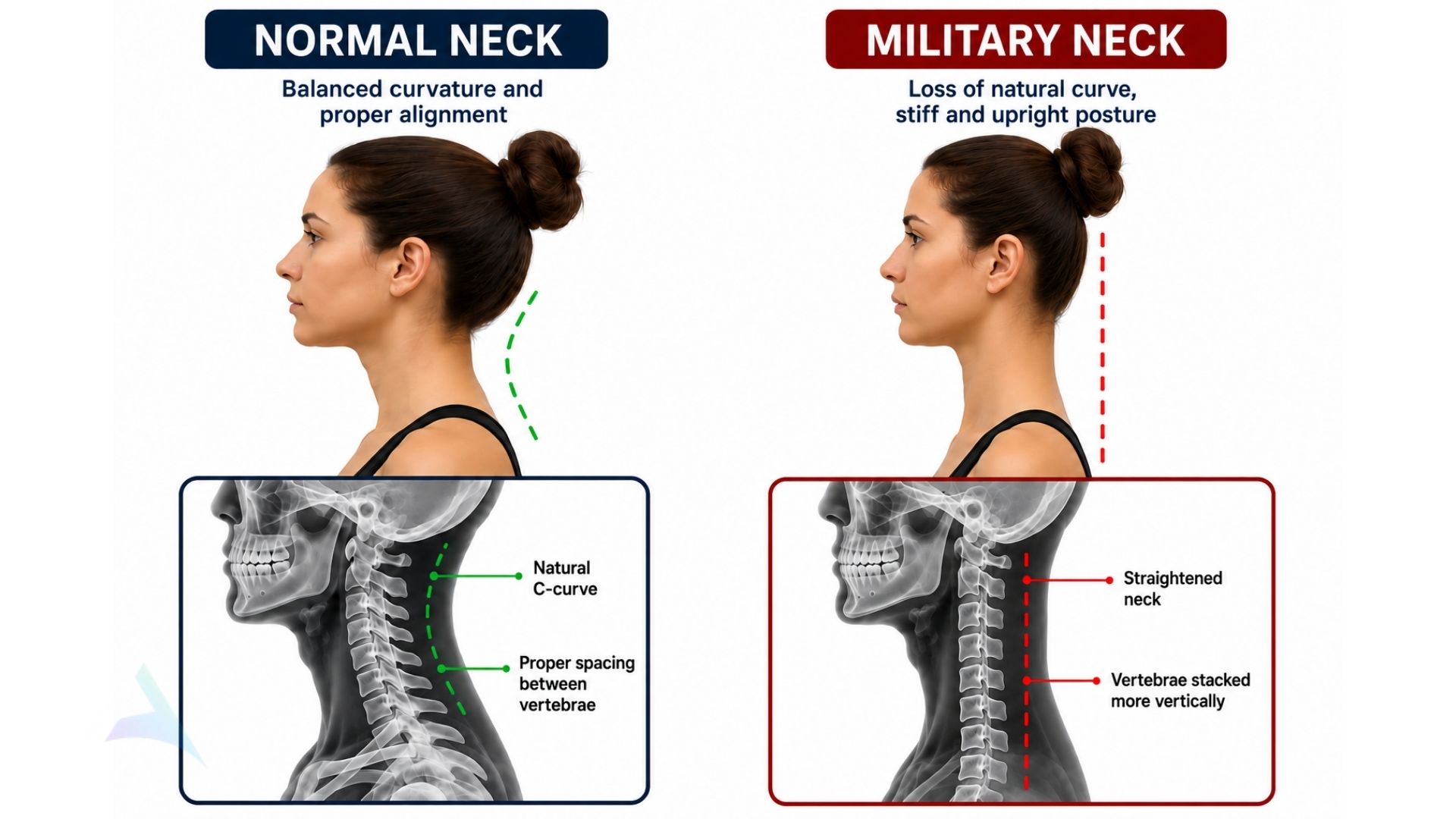
The top two bones of your neck — the atlas and axis — protect the brainstem, a critical hub for stress regulation. If these bones shift out of alignment, they can interfere with nervous system communication. This makes it harder for your body to switch out of fight-or-flight mode, no matter how much breathing or stretching you do.
Gentle, precise upper cervical adjustments remove this interference, allowing the nervous system to function as it was designed. Patients often notice not only less tension and pain, but also improved sleep, digestion, and emotional balance.
Supporting Your Nervous System
Stress will always be part of life. But how your body responds to it makes all the difference. By combining natural practices like breathing, grounding, journaling, and movement with upper cervical chiropractic care, you give your nervous system the tools it needs to adapt, heal, and thrive.
You may not be able to eliminate every stressor — but you can build resilience, restore balance, and take back control of your health.
If chronic stress is affecting your health and you're looking for a natural way to support your nervous system, schedule a consultation at Peak Upper Cervical Center in Boise to learn about our gentle, precise approach.