

What Are Headaches?
A headache is a pain or discomfort in the head or upper neck. It can be a symptom of various conditions or a standalone issue. The brain itself does not feel pain, but the surrounding tissues, blood vessels, and nerves can trigger headaches when they become inflamed, constricted, or otherwise irritated.
Types of Headaches
Headaches can be broadly classified into two categories: primary and secondary headaches.
Primary Headaches
Primary headaches are not caused by another medical condition. The most common types include:
- Tension Headaches: These are the most common type of headache, characterized by a dull, aching sensation all over the head. Tension headaches often result from stress, anxiety, or muscle strain in the neck and scalp.
- Migraines: Migraines are intense, throbbing headaches that can last from a few hours to several days. They are often accompanied by other symptoms such as nausea, vomiting, and sensitivity to light and sound. Migraines can be triggered by various factors, including hormonal changes, certain foods, and environmental factors.
- Cluster Headaches: Cluster headaches are severe, burning, or piercing pain typically around one eye or on one side of the head. They occur in clusters, with multiple headaches happening over a period of weeks or months, followed by periods of remission.
- Chronic Daily Headaches: This category includes headaches that occur 15 days or more per month. Chronic daily headaches can be either short-lasting or long-lasting.
Secondary Headaches
Secondary headaches are a result of another medical condition, such as:
- Sinus Headaches: Caused by sinus infections or sinusitis, these headaches are felt as a deep, constant pain in the cheekbones, forehead, or bridge of the nose.
- Rebound Headaches: Also known as medication-overuse headaches, these occur from the overuse of headache medications.
- Hormone Headaches: Often related to hormonal changes in women, such as during menstruation, pregnancy, or menopause.
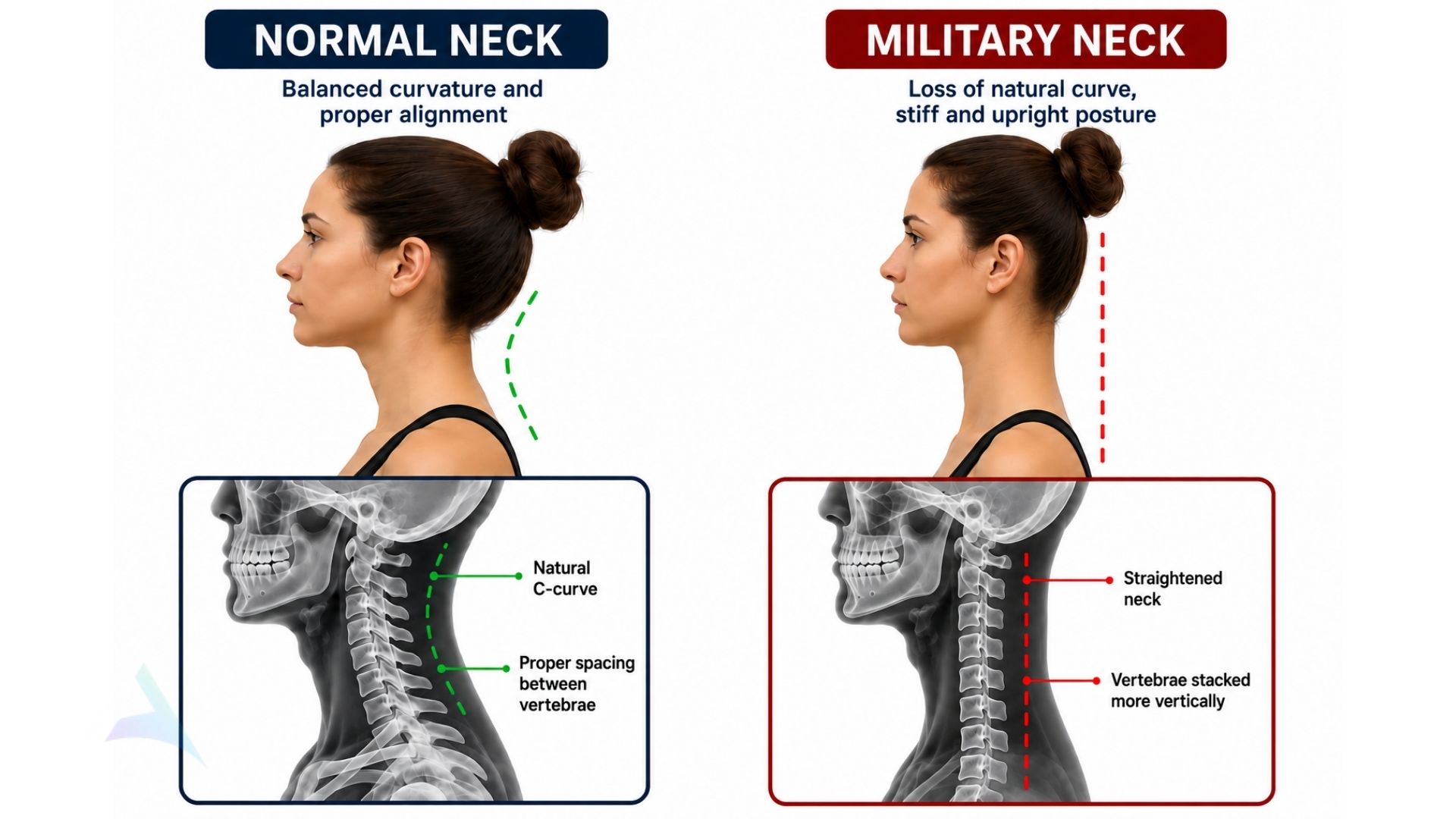
- Cervicogenic Headaches: Originating from issues in the cervical spine (neck), these headaches are often mistaken for migraines. See our full guide to cervicogenic headache treatment in Boise.
Causes of Headaches
The causes of headaches are varied and can include:
- Stress and Anxiety: Emotional stress and anxiety can trigger muscle tension in the neck and scalp, leading to tension headaches.
- Diet: Certain foods and drinks, such as alcohol, caffeine, and processed foods, can trigger headaches. Skipping meals can also be a culprit.
- Sleep Issues: Lack of sleep or irregular sleep patterns can lead to headaches.
- Posture: Poor posture can strain the muscles in the neck and shoulders, leading to tension headaches.
- Environmental Factors: Bright lights, loud noises, strong smells, and changes in weather can trigger headaches, particularly migraines.
- Medical Conditions: Underlying medical conditions such as infections, high blood pressure, and chronic sinusitis can cause secondary headaches.
Diagnosing Headaches
Accurate diagnosis is crucial for effective treatment. A healthcare provider will typically take a detailed medical history and perform a physical examination. In some cases, additional tests such as imaging studies (MRI or CT scans) or blood tests may be necessary to rule out other conditions.
Treatment Options for Headaches
Treatment for headaches varies depending on the type and underlying cause. Common treatment options include:
Medications
- Over-the-Counter Pain Relievers: Medications such as ibuprofen, acetaminophen, and aspirin can help alleviate mild to moderate headaches.
- Prescription Medications: Doctors may prescribe stronger pain relievers, triptans for migraines, or preventive medications for severe headaches to reduce their frequency and severity.
- Antidepressants and Anti-Seizure Medications: These can be effective in preventing migraines and chronic tension headaches.
Lifestyle Changes
- Stress Management: Techniques such as yoga, meditation, and deep breathing exercises can help reduce stress and prevent tension headaches.
- Dietary Adjustments: Identifying and avoiding food triggers can significantly reduce the occurrence of headaches. Keeping a food diary can help identify potential triggers.
- Regular Exercise: Physical activity can help reduce the frequency and severity of headaches by relieving stress and improving overall health.
- Sleep Hygiene: Establishing a regular sleep routine and creating a comfortable sleep environment can help prevent headaches.
Alternative Therapies
- Chiropractic Care: Chiropractic adjustments can help alleviate headaches, particularly those originating from neck issues. A chiropractor can help improve spinal alignment, reduce tension, and provide advice on posture and ergonomics.
- Acupuncture: This traditional Chinese medicine technique involves inserting thin needles into specific points on the body to relieve pain and stress.
- Massage Therapy: Massaging the neck and shoulders can help reduce muscle tension and alleviate tension headaches.
- Herbal Remedies: Certain herbs, such as butterbur and feverfew, have been shown to help prevent migraines in some individuals.
Professional Care at Boise Peak Chiropractic
At Boise Peak Chiropractic, we offer comprehensive care for individuals suffering from headaches. Our approach includes:
- Personalized Assessment: We conduct thorough assessments to identify the type and cause of your headaches.
- Customized Treatment Plans: Based on the assessment, we create tailored treatment plans that may include chiropractic adjustments, lifestyle advice, and complementary therapies.
- Ongoing Support: We provide ongoing support and adjustments to ensure effective long-term headache management.
When to See a Doctor
While most headaches are not indicative of serious health problems, certain symptoms warrant immediate medical attention:
- Sudden, severe headache (often described as "the worst headache ever")
- Headache accompanied by fever, stiff neck, confusion, or seizures
- Headache following a head injury
- Persistent headache that does not improve with standard treatments
Conclusion
Headaches can significantly impact quality of life, but understanding their causes and knowing how to manage them can make a considerable difference. Whether through lifestyle changes, medication, or professional care at Boise Peak Chiropractic, there are numerous effective strategies for managing headaches. If you are struggling with frequent or severe headaches, seeking professional help can provide relief and improve your overall well-being.
For more information on headache treatment and management, visit Boise Peak Chiropractic.

Common Types of Headaches
Headaches come in many forms, and understanding the type of headache you experience is essential to finding the right treatment. Chiropractic care can help address the root causes of several common types of headaches:
- Tension Headaches: These are the most common type of headache, often caused by stress, poor posture, or muscle tension in the neck and shoulders. They usually feel like a tight band around the head and can occur frequently.
- Migraines: More severe than tension headaches, migraines often include throbbing pain, nausea, sensitivity to light or sound, and can last for hours or even days. Misalignments in the cervical spine can exacerbate migraine symptoms.
- Cluster Headaches: Known for their sudden onset and intense pain, cluster headaches typically occur on one side of the head and are accompanied by symptoms such as eye redness or nasal congestion.
- Cervicogenic Headaches: These headaches originate from issues in the cervical spine, such as misalignments or tension, and often cause pain that radiates from the neck to the head.
- Sinus Headaches: Caused by inflammation or pressure in the sinus cavities, these headaches result in pain around the forehead, cheeks, or nose.
Understanding the specific triggers and underlying causes of your headache type allows chiropractic care to provide targeted and effective relief.

Chiropractic Care for Headaches at Peak Chiropractic
Chiropractic care is a natural, drug-free way to alleviate headaches by addressing the root causes of pain and discomfort. At Peak Chiropractic, we focus on improving nervous system function, restoring spinal alignment, and reducing tension in the muscles and joints that contribute to headaches.
How Chiropractic Care Helps Headaches
- Spinal Adjustments: Gentle adjustments, particularly in the cervical spine, relieve tension, improve alignment, and restore proper nerve communication.
- Muscle Tension Relief: Techniques to release tightness in the neck and shoulders reduce the strain that contributes to tension headaches and migraines.
- Improved Circulation: Chiropractic care enhances blood flow to the brain and surrounding tissues, reducing inflammation and promoting healing.
- Trigger Management: Guidance on identifying and avoiding headache triggers, such as poor posture, stress, or dietary factors, supports long-term relief.
Benefits of Chiropractic Care for Headaches
- Reduced headache frequency and intensity
- Relief from associated symptoms, such as neck pain or sensitivity to light
- Non-invasive, medication-free treatment
- Improved overall well-being and quality of life
At Peak Chiropractic, we understand the debilitating effects of chronic headaches and are here to help you find lasting relief. Let us support you on your journey to better health.
.avif)