

Atlas Misalignment: Causes, Symptoms, and Effective Treatment
Atlas misalignment can cause pain, tension, and nervous system disruption, affecting your body’s ability to function at its best. This condition can lead to symptoms like headaches, neck pain, and even balance issues. At Peak Chiropractic, we use precise, gentle techniques to realign the atlas, reduce tension, and restore proper nervous system communication, helping you feel and function better.
Free Discovery Call
Provide your info below and our team will reach out to schedule your free discovery call.
What is Atlas Misalignment?
The atlas, also known as the C1 vertebra, is the first bone in your spine and serves as the foundation for supporting your skull and facilitating head movement. Its unique structure allows for flexibility and rotation but also makes it vulnerable to misalignment. When the atlas shifts out of its proper position—a condition referred to as atlas misalignment or subluxation—it can disrupt the alignment of the entire spine and place stress on the nervous system.
Why is the Atlas Important?
The atlas sits at a critical junction where the brain connects to the spinal cord. This area, known as the brainstem, plays a vital role in controlling your body’s essential functions, such as breathing, balance, and communication between the brain and the rest of the body. Even a slight misalignment of the atlas can compress nerves, restrict blood flow, and interfere with your body’s ability to function properly.
Causes of Atlas Misalignment
Atlas misalignment can occur for a variety of reasons, including:
- Trauma or Injury: Whiplash, sports injuries, or falls can cause the atlas to shift out of position.
- Poor Posture: Prolonged periods of sitting, slouching, or looking down at devices can strain the neck and lead to misalignment.
- Repetitive Movements: Activities that put repeated stress on the neck can contribute to atlas misalignment over time.
- Congenital Factors: Some individuals are born with spinal misalignments or structural abnormalities that affect the atlas.
Understanding these causes helps our team at Peak Upper Cervical Center develop tailored treatment plans to address the specific factors contributing to your condition.
How Atlas Misalignment Affects Your Health
When the atlas is out of alignment, the effects can be far-reaching. Symptoms often start as localized issues such as neck pain or stiffness but can evolve into more complex problems, including:
- Chronic headaches and migraines
- Dizziness or balance disorders
- Tingling or numbness in the arms or hands
- TMJ dysfunction or jaw pain
- Poor posture and spinal imbalances
Left untreated, atlas misalignment can exacerbate these symptoms and lead to more significant issues in other parts of the body.
How We Treat Atlas Misalignment
At Peak Upper Cervical Center, we specialize in precise, non-invasive techniques to address atlas misalignment. Our approach begins with a comprehensive assessment, including advanced imaging tools, to pinpoint the exact location and severity of the misalignment. From there, we develop a personalized care plan that includes:
- Gentle Adjustments: Our upper cervical adjustments are designed to realign the atlas with minimal force, relieving pressure on the nervous system and surrounding tissues.
- Holistic Support: We address related issues such as posture, muscle tension, and overall spinal alignment to ensure long-term results.
- Ongoing Monitoring: Regular evaluations help us track your progress and make any necessary adjustments to your care plan.
By restoring the atlas to its proper position, we not only relieve immediate discomfort but also improve overall health and well-being. Many patients report better posture, reduced tension, and improved energy levels after treatment.
.jpg)
.jpg)
Conditions Caused by Atlas Misalignment
Atlas misalignment can lead to or exacerbate several conditions. These include:
- Chronic Headaches and Migraines
Misalignment can compress nerves and blood vessels, often resulting in persistent headaches. - Neck Pain and Stiffness
Poor alignment places additional strain on the neck, causing discomfort and restricted movement. - Vertigo and Balance Disorders
The atlas’s proximity to the brainstem and inner ear means even minor misalignment can disrupt balance and spatial awareness. - TMJ Dysfunction
Tension in the jaw and misalignment of the atlas often go hand in hand, leading to jaw pain and clicking sounds. - Fibromyalgia and Chronic Fatigue
Nerve interference caused by atlas misalignment can contribute to widespread pain, fatigue, and reduced energy levels.
At Peak Chiropractic, we focus on addressing the root cause of these conditions to provide long-term relief and improved quality of life.
Atlas Misalignment: Common Questions
What are the symptoms of atlas misalignment?
Possible signs include headaches, neck pain or stiffness, dizziness, jaw tension, tingling in the arms, uneven posture, and brain fog. Because these overlap with many conditions, a precise evaluation is the only way to know whether your atlas is involved. Our guide to the signs of atlas misalignment walks through the full checklist.
What causes the atlas to shift out of place?
Common causes include trauma such as whiplash or a fall, sustained poor posture, repetitive strain, and in some cases factors a person is born with.
How is atlas misalignment corrected?
We measure the area precisely with 3D CBCT imaging, then use gentle, low-force corrections with no twisting, cracking, or popping to guide the atlas toward its natural position.
Patient Ratings & Stories
Hear what our patients have to say about their experience at Peak Upper Cervical Center in their online reviews.


I have had more energy, less pain in all areas of my body, and I've been sleeping like a baby.
I truly don't know where to begin. I had never heard of upper cervical chiropractic care prior to meeting Dr. John and Dr. Kyara. However, I had been going to a chiropractor every two weeks for the last 18 years for "pain management". Over time, my body started to expect an adjustment right at that two week mark and the pain in my back, neck, and jaw became unbearable, even a few days before my regularly scheduled adjustment. I have always trusted chiropractic care, but one twisted neck adjustment left me with a long lasting clicking in my neck and the consistency of my symptoms left me feeling defeated, especially when the vertigo kicked in. I had no energy to get through even the slightest daily activities and I became frustrated at the thought of how much time and money I have spent to only receive such temporary relief. When I walked into Peak chiropractic, I was warmly welcomed by both doctors and was given a tour of the facility, where Dr. John showed me all of the technological recourses they would use to access my spine. The doctors took the time to educate me on EVERYTHING I was to expect in my healing journey and what to do to allow my body to hold the adjustments and heal itself. To my surprise, upper cervical care doesn't involve the twisting and cracking that causes more symptoms than what I came in with. In fact, I could expect to pain free in just a few short weeks (what a relief)! How is that possible you might ask? Trust me, I didn't believe it either. I was told that the misalignment in the top two bones of my spine were likely the cause of all the symptoms I had been experiencing since I was a kid. We immediately got to work and after only one adjustment, I felt like my body was able hold its adjustment longer than it has ever before. Mind you, I am still going through my program with Peak Chiropractic, but after this last adjustment, that consistent clicking in my neck that has never been absent before, left for the very first time. Even after these very few weeks, I have had more energy, less pain in all areas of my body, and I've been sleeping like a baby. I just wanted to scream it from the rooftops! For the first time in 18 years, I am feeling hopeful. I wish everyone knew about upper cervical care, so if you are someone who experiences similar symptoms, please go see Dr. John and Dr. Kyara. I promise your life is going to change. Mine definitely has!Read Original Review


I would strongly recommend to anyone suffering from neck and back pain and needing a solution.
Dr. Jon and staff are extremely knowledgeable and masters of their craft. I cannot thank them enough with helping me on my road to neck issues recovery. They truly care about the well-being of their clients. Extremely welcoming and upbeat. I look forward to working with them every week. I would strongly recommend to anyone suffering from neck and back pain and needing a solution.Read Original Review
They are great people, and I always feel better walking out of the office
Peak Chiropractic has taken great care of me over the past few months. They are the only chiropractic clinic in Idaho with a full neck CT scan, which helps them better understand how to adjust you vs traditional X-rays. They are great people, and I always feel better walking out of the office!Read Original Review
Recognizing Symptoms of Atlas Misalignment
If you’re dealing with unexplained symptoms, the atlas may be the underlying cause. Common signs include:
- Neck Pain and Tension
Persistent discomfort in the neck is one of the most common symptoms of atlas misalignment. - Numbness or Tingling in Limbs
Misalignment can lead to nerve compression, resulting in sensations of tingling or numbness in the arms and legs. - Dizziness or Brain Fog
Difficulty concentrating or feeling “off-balance” may be linked to disrupted nervous system function. - Jaw Pain or Clicking (TMJ)
Misalignment often creates tension that radiates to the jaw, causing discomfort and mobility issues. - Other Symptoms
Patients may also experience fatigue, difficulty sleeping, or even mood changes due to the impact on their overall health.
Why Seek Care for Atlas Misalignment?
At Peak Upper Cervical Center, we specialize in gentle, precise adjustments that address atlas misalignment without invasive techniques. Our personalized care plans are designed to target these symptoms and provide lasting relief.
Schedule an appointment with Peak Chiropractic and start your journey towards a pain-free life.
.jpg)
Contact Us
Experience specific upper cervical chiropractic care at Peak Upper Cervical Center. Our Boise clinic is dedicated to providing top-quality and unique chiropractic care to help you achieve optimal health.
Phone
Office
Peak Upper Cervical Center
4483 N Dresden Pl #103
Garden City, ID 83714
Discover the Power of Upper Cervical Chiropractic Care
Stay informed with our latest blog posts and health tips
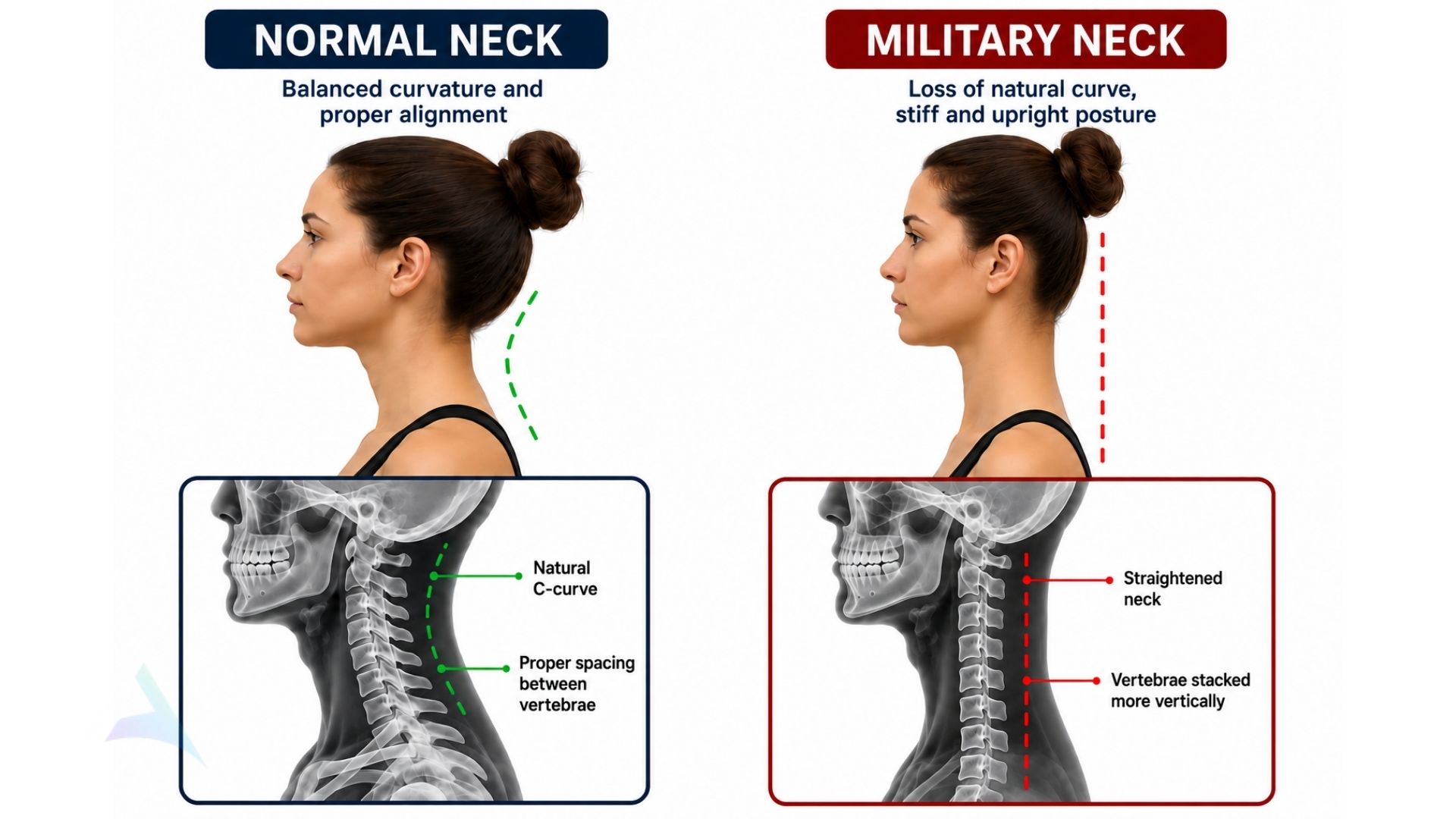
Military Neck Treatment in Boise: Restoring Your Natural Neck Curve

Migraine Treatment in Boise: Calming the Nervous System With Upper Cervical Care

Signs Your Atlas (C1) May Be Misaligned