


Why Stress Matters for Nervous System Health
When the body experiences stress, the brain activates the sympathetic nervous system, triggering the "fight or flight" response. While this is helpful in short bursts, chronic activation can:
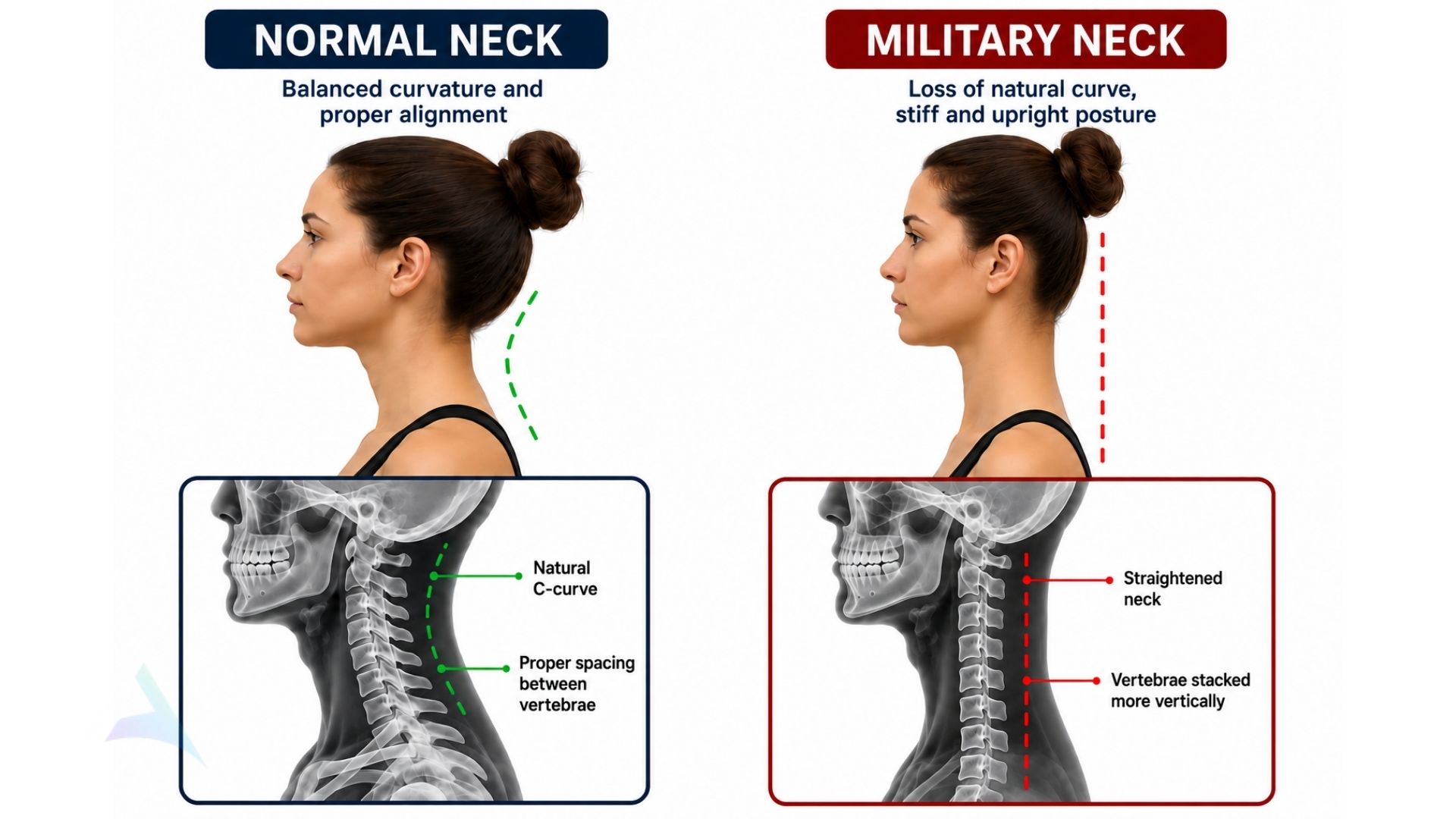
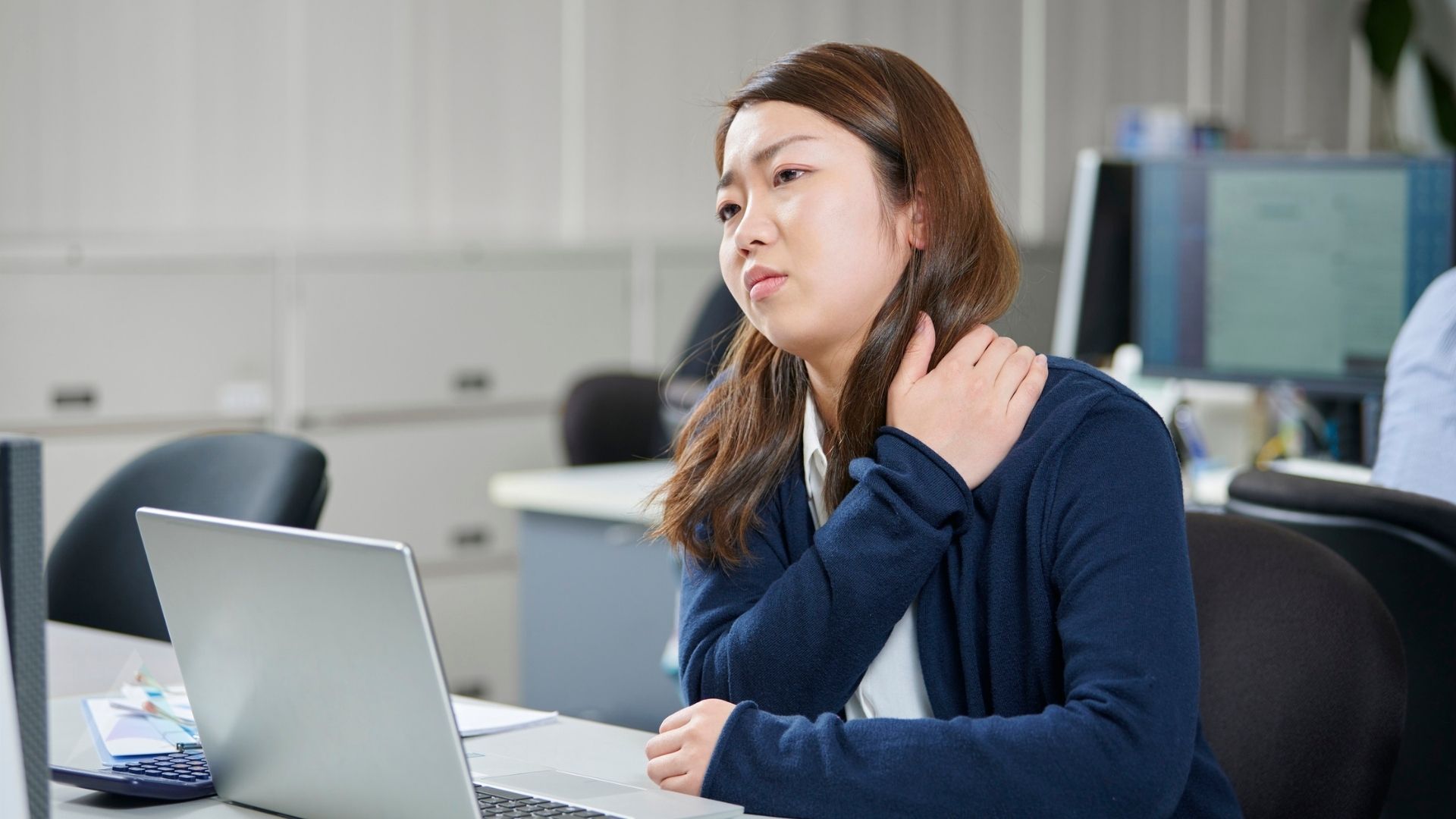
- Increase muscle tension in the neck and shoulders
- Constrict blood vessels, potentially triggering migraines or dizziness
- Increase inflammation and oxidative stress
- Reduce sleep quality and focus
For patients with upper cervical misalignments, stress can compound nervous system dysfunction, making recovery slower and symptoms more noticeable.
Natural Strategies to Reduce Stress
1. Deep Breathing and Controlled Respiration
Deep, slow breathing stimulates the parasympathetic nervous system, which promotes relaxation and reduces heart rate. Techniques such as diaphragmatic breathing or box breathing (inhale, hold, exhale, hold) can be done anywhere and provide immediate relief from stress.
2. Movement and Exercise
Gentle exercises like walking, yoga, or swimming improve blood flow, release endorphins, and reduce muscle tension. Movement also supports lymphatic circulation, helping the body eliminate toxins that can accumulate under stress.
3. Mindfulness and Meditation
Practicing mindfulness or meditation trains the brain to focus on the present, reducing overthinking and anxiety. Even 5–10 minutes daily can lower cortisol levels and improve nervous system resilience.
4. Grounding and Nature Exposure
Spending time outside, walking barefoot on grass, or simply being in nature can regulate stress hormones and improve nervous system balance. The combination of fresh air, natural light, and gentle movement has a profound calming effect.
5. Sleep Optimization
Adequate sleep is essential for nervous system recovery. A consistent sleep schedule, minimizing screen time before bed, and creating a calm sleeping environment help the brain and body reset daily. Learn more in our post on improving sleep quality.
6. Nutrition Support
Eating a balanced diet with adequate protein, healthy fats, and micronutrients like magnesium and B vitamins supports nervous system function and reduces susceptibility to stress-induced symptoms.

The Upper Cervical Connection
Upper cervical chiropractic adjustments help restore proper alignment to the atlas (C1) and axis (C2), allowing the brainstem to communicate efficiently with the body. When the nervous system functions optimally:
- Stress responses are regulated more effectively
- Muscle tension is reduced
- Headaches, vertigo, and fatigue may decrease
- Overall resilience improves
Combining natural stress reduction strategies with upper cervical care enhances the body's ability to recover and maintain balance.
Practical Tips to Implement Daily
- Start your day with 5–10 minutes of deep breathing or meditation.
- Take short movement breaks during the day, especially if you sit for long periods.
- Spend time in nature or practice grounding exercises regularly.
- Prioritize consistent, restorative sleep.
- Eat nourishing foods and stay hydrated to support nervous system recovery.
- Pair these practices with upper cervical adjustments for maximum benefit.
The Takeaway
Chronic stress impacts the nervous system, contributing to physical and mental symptoms. By incorporating natural strategies such as mindful breathing, movement, grounding, proper sleep, and nutrition, you can reduce stress without medication. Upper cervical care complements these practices, helping your nervous system communicate efficiently and promoting overall health.
✨ Bottom Line: Stress is inevitable, but chronic stress doesn't have to control your life. Natural stress-reduction strategies, combined with upper cervical chiropractic care, empower your nervous system to function optimally, reducing headaches, vertigo, fatigue, and other stress-related symptoms.
Nervous System Support for Stressful Times
Browse our Amazon Storefront for personally curated tools that support stress regulation — from nervous system regulation tools to sleep accessories, recovery aids, and clean nutrition picks.
Doing all the right things but still feel stressed out?
When upper cervical misalignment keeps the nervous system in a state of chronic activation, even the best stress management habits can only go so far. At Peak Upper Cervical Center, we address the underlying interference so your body can finally shift into rest-and-heal mode. Schedule your consultation today.