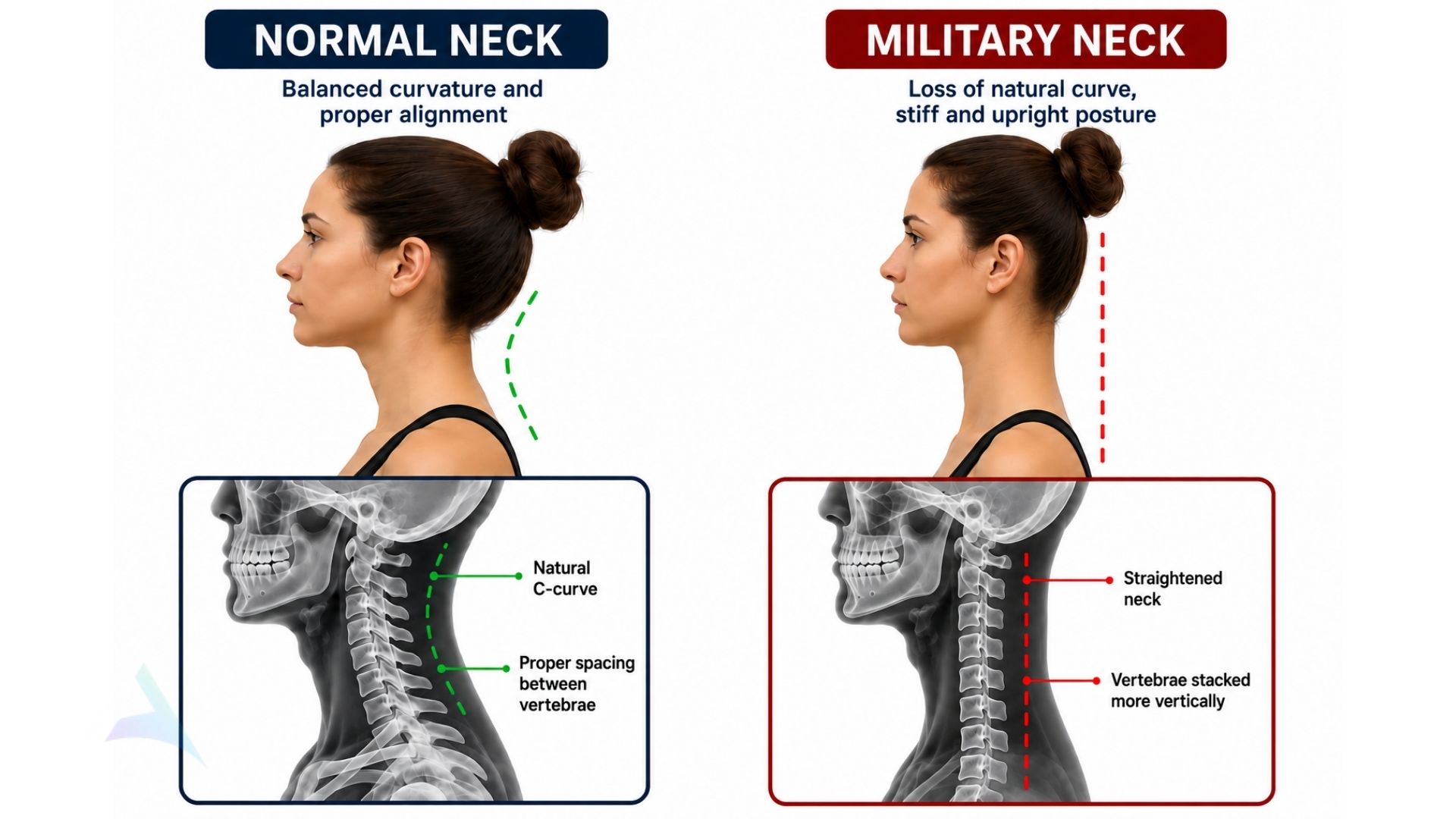


This guide explains what vertigo really is, how to tell inner-ear vertigo apart from the neck-related kind, what the research does and doesn't show, and how gentle, no-twisting upper cervical care may fit into a thoughtful plan for relief here in Boise.
What Vertigo Actually Is
Vertigo isn't a disease — it's a symptom. It's the false sensation that you or your surroundings are spinning, tilting, or moving when they're not. It can come with dizziness, nausea, unsteadiness, or a loss of balance.
It has many possible causes. The most common is BPPV (benign paroxysmal positional vertigo), where tiny crystals in the inner ear shift out of place. Other causes include inner-ear conditions like Ménière's disease, vestibular inflammation, certain medications, and — importantly — problems in the upper neck.
When Vertigo Comes From the Neck
When dizziness is driven by the upper neck rather than the inner ear, clinicians call it cervicogenic dizziness. The top two bones of your spine — the atlas (C1) and axis (C2) — sit right at the brainstem, the hub where your body's balance signals are gathered and sorted. It's worth understanding why these two small bones matter so much.
When this area is misaligned or irritated — often years after a car accident, fall, or sports injury — those balance signals can get noisy, a little like static on a phone line. The brain receives mixed messages about where your head is in space, and the result can feel like spinning, floating, or unsteadiness.
Inner-Ear vs. Neck-Related: How to Tell
They can feel similar, but there are clues:
- Inner-ear (BPPV): Brief, intense spinning triggered by specific head positions — rolling over in bed, tipping your head back. Often comes in short bursts.
- Neck-related (cervicogenic): Dizziness or unsteadiness that shows up alongside neck tension, stiffness, or headaches, and that changes when you hold or move your neck a certain way. It often lingers rather than spiking in short bursts.
A thorough evaluation is the only way to know for sure — which is why we start with measurement, not guesswork. If your case looks purely inner-ear, we'll tell you and point you in the right direction.
What the Research Shows — and What It Doesn't
Here's the honest picture. Cervicogenic dizziness is a recognized clinical entity, and there's reasonable evidence that treating the neck can help when the neck is genuinely the source. The research specifically on upper cervical chiropractic for vertigo is more limited and made up largely of case reports rather than large trials. Some of those reports are encouraging, but a single case is never a guarantee, and we would never promise to "cure" vertigo.
What we can say is more grounded: when an upper-neck problem is part of your picture, gently addressing it may reduce how often and how intensely the dizziness shows up. Vertigo is best approached as a careful, individualized process.

The Upper Cervical Approach at Peak
Upper cervical care is a focused branch of chiropractic that works only with the top of the neck — with no twisting, cracking, or popping. If sudden head movement makes your dizziness worse, that gentleness matters enormously.
Your visit begins with precise measurement. We use 3D CBCT imaging and functional nervous system testing to see exactly where and how your atlas has shifted. From there we use low-force, specific methods — such as the Blair upper cervical technique or the knee-chest technique — to guide that bone toward its natural position, then give your body time to hold the correction.
Some of the links above are affiliate links. If you purchase through them, Peak Upper Cervical Center may earn a small commission at no extra cost to you. We only recommend products we genuinely trust and use with our patients.
What to Expect at Your First Visit
Your first appointment includes a detailed health history, a physical and neurological assessment, and imaging so we can understand the true source of your dizziness. Based on what we find, we'll build a personalized care plan — and if upper cervical care isn't the right fit for your type of vertigo, we'll say so.
Each adjustment is gentle and precise. Many patients notice improvement within a few sessions, with more lasting relief over a consistent course of care.
Looking for Vertigo Relief in Boise?
If your dizziness comes with neck tension, headaches, or a history of a head or neck injury, your upper neck is worth a closer look. Learn why patients choose Peak, see that we proudly serve Boise and the Treasure Valley, and when you're ready, book your appointment with our team.

Frequently Asked Questions
Can a chiropractor help with vertigo? For some people, yes. When vertigo is tied to the upper neck — cervicogenic dizziness — gently correcting an atlas misalignment may reduce the spinning and dizziness. It isn't right for every cause of vertigo, which is why we assess first.
What's the difference between inner-ear (BPPV) and neck-related vertigo? BPPV comes from the inner ear's balance system; cervicogenic dizziness comes from the upper neck feeding faulty signals to the brainstem. A clue it may be neck-related: your symptoms change when you move or hold your head a certain way. We use functional nervous system testing and 3D imaging to help tell them apart.
Does the adjustment involve cracking my neck? No. Our gentle, targeted adjustments use no twisting or popping — an important reassurance if sudden head movement makes your dizziness worse.
How soon might I feel relief? Some patients notice improvement within a few sessions, though lasting relief usually comes with consistent care. Everyone's timeline is different, and we'll set realistic expectations after your evaluation.
What related conditions do you see alongside vertigo? Vertigo often travels with balance disorders, Ménière's disease, and general dizziness. If your balance issues come with neck tension, your upper neck is worth a look. Book an appointment to find out.