


What a TMJ Disorder Really Is
The temporomandibular joint, or TMJ, is the hinge that connects your lower jaw to your skull, sitting just in front of each ear. It lets you chew, talk, and yawn. When that joint and the muscles around it become strained, inflamed, or out of balance, the result is a TMJ disorder, sometimes called TMD.
Common signs include jaw pain or tenderness, clicking or popping, a jaw that catches or locks, trouble opening wide, headaches, and even ear symptoms like fullness or ringing in the ears. Because the joint sits so close to the ear, TMJ and tinnitus often show up together.
Why the Neck Is Often the Missing Piece
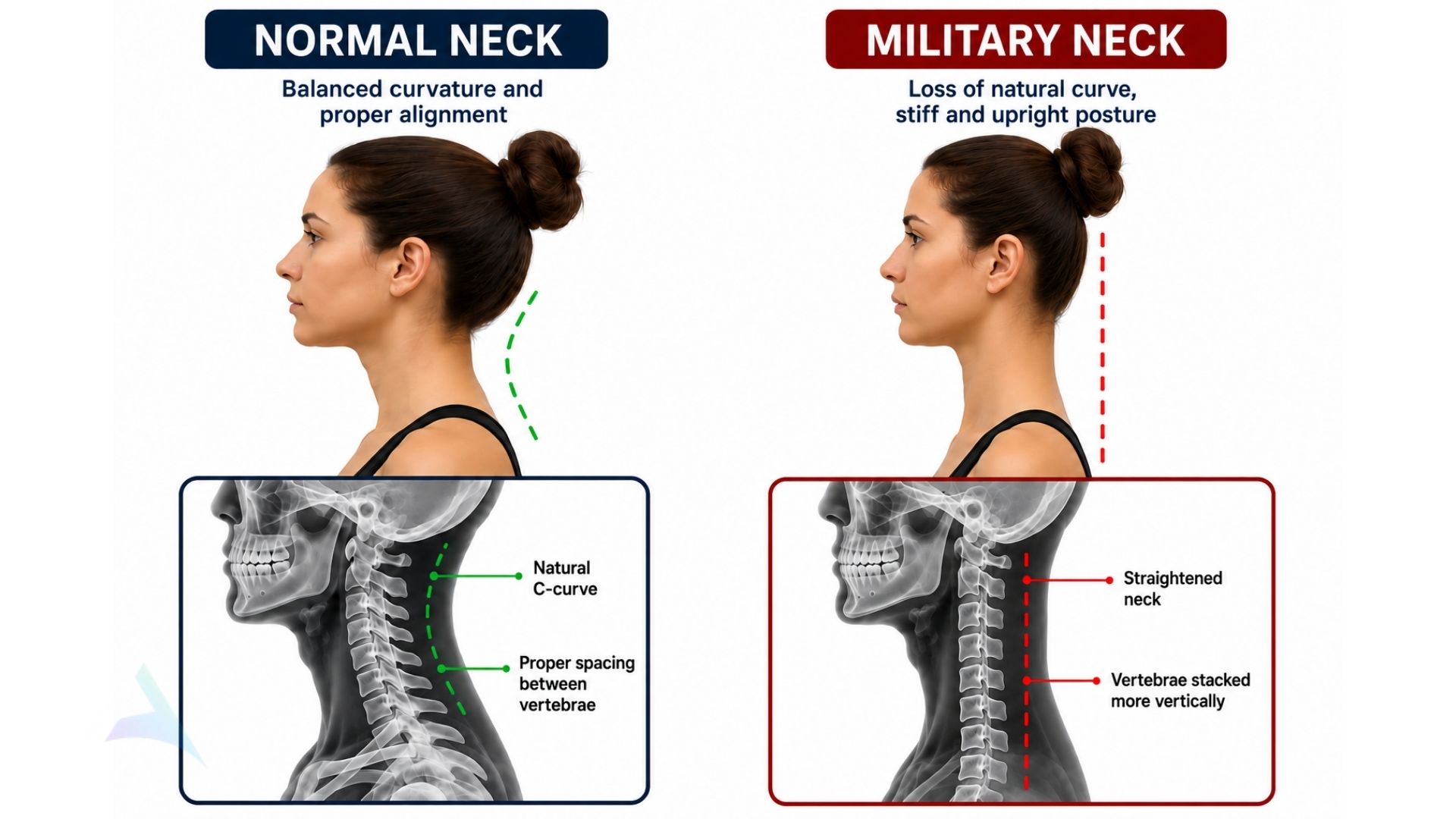
Here is the part most people never hear. Your jaw does not work in isolation — it works in close partnership with the top of your neck. The atlas and axis, the top two bones of your spine, sit directly beneath the skull and help set the position your jaw closes into. We explain why these two bones matter so much in more detail.
There are three simple reasons the neck and jaw are linked. They sit right next to each other, so a shift in one affects the other. The nerves that control jaw movement share pathways with nerves in the neck. And the muscles that run from the neck to the jaw can tighten or pull unevenly when the upper neck is out of balance. This is also why TMJ trouble so often follows a whiplash injury or other head or neck trauma, sometimes months later.
What the Research Shows — and What It Doesn’t
The anatomy here is well established: the jaw and upper neck are genuinely connected. The research on upper cervical care specifically for TMJ is more limited and made up largely of clinical case reports, so you may see other clinics quote impressive-sounding success rates. We prefer to be measured. We will not promise to “fix” your jaw, and we will not tell you to throw away a night guard your dentist recommended.
What we can say is this: when the upper neck is part of your TMJ picture — especially if your jaw pain comes with neck stiffness or headaches — gently addressing that alignment may ease muscle tension and improve how the jaw moves for some people. The best results usually come from a team approach, which is why we are glad to work alongside dental partners like BioSmiles Beautiful Natural Dentistry, a Boise-area practice that shares our root-cause philosophy and offers dedicated TMJ care.
The Upper Cervical Approach at Peak
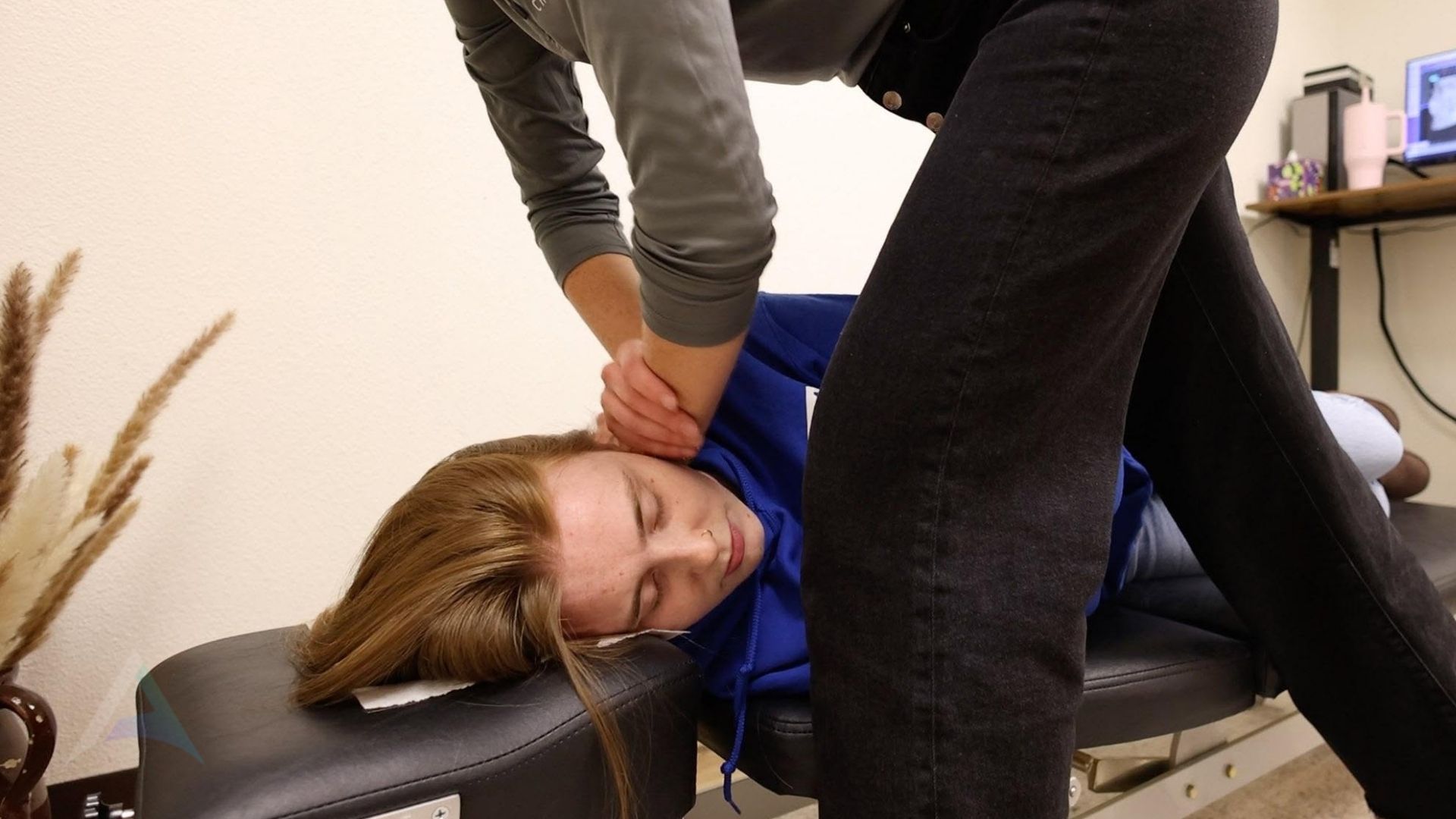
Upper cervical care is a focused branch of chiropractic that works only with the top of the neck — and it involves no twisting, cracking, or popping. For a jaw and neck that are already sore and guarded, that gentleness is exactly the point.
Your visit begins with precise measurement, not guesswork. We use 3D CBCT imaging to see exactly where and how your atlas has shifted, then use low-force, specific methods such as the Blair upper cervical technique or the knee-chest technique to guide the bone toward its natural position. For a deeper look at how we approach the jaw specifically, see our guides on upper cervical TMJ treatment and locked jaw from TMJ and injuries.
Habits That Take Pressure Off the Jaw
Most jaw pain has a daily-habit component, so the supportive basics genuinely help. A few things Dr. Kyara often talks through with patients:
- Relax the muscles. Magnesium supports healthy muscle and nerve function and can help ease the clenching cycle. You can find practitioner-grade options we trust through our Fullscript dispensary, and we cover the bigger picture in our post on magnesium and nervous system health.
- Tame the stress that fuels clenching. Much jaw tension is tied to stress and daytime clenching. Our guide on resetting the nervous system naturally offers simple, practical steps.
- Sleep and breathe better. Nighttime grinding and mouth breathing keep the jaw working overtime. A supportive, non-toxic mattress from Saatva or Avocado helps, and some patients find gentle nasal support like Intake Breathing strips encourage easier nighttime breathing.
- Soothe sore jaw muscles. Warmth and gentle recovery tools can calm an aching jaw. A few favorites we share with patients are Hooga Health red light and Nurecover recovery devices (use code PEAKCHIRO), plus simple comfort tools on our Amazon storefront. Targeted massage, such as from a practice like Cohen Injury Massage, can also release tight jaw and neck muscles.
None of these replace care, and none are a cure. They simply give a strained jaw and neck a calmer place to recover.
Looking for TMJ Relief in Boise?
If your jaw pain comes with neck pain, headaches, or a history of head or neck injury — or if night guards and other treatments have only gone so far — your upper neck is worth a closer look. We would be glad to help you find out whether an upper cervical issue is part of your story. Learn more about why patients choose Peak, see that we proudly serve Boise and the Treasure Valley, and when you are ready, book your appointment with our team.