

The Connection Between the Neck and Concussions
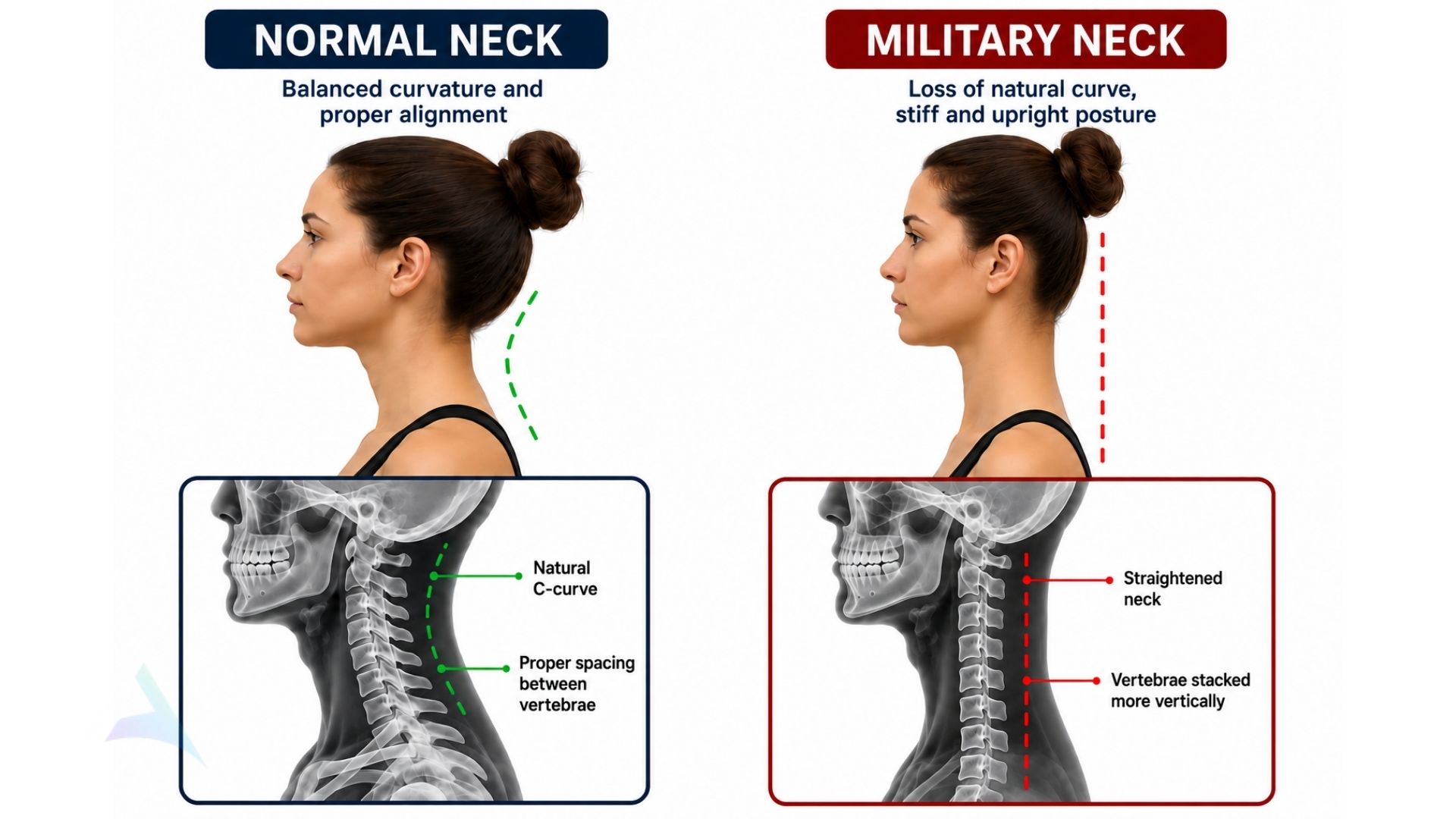
The atlas (C1) and axis (C2) protect the brainstem, which is responsible for communication between the brain and the body. During a concussion, the head's sudden movement can misalign these vertebrae, interfering with brainstem function and nervous system communication. This interference can contribute to persistent post-concussion symptoms, such as:
- Headaches or migraines
- Dizziness or vertigo
- Fatigue and brain fog
- Balance issues
- Sensitivity to light or sound
Even mild concussions can have lingering effects if the neck is not addressed. Many patients are surprised to learn that post-concussion symptoms often improve once upper cervical alignment is restored.
Why the Neck Injury Is Often Missed
Traditional concussion treatment focuses on rest, cognitive therapy, and symptom management. However, the cervical spine is rarely evaluated, despite its critical role in protecting the brainstem. Misalignment in the atlas or axis can perpetuate symptoms, slow recovery, and even make the nervous system more susceptible to additional injuries.
Upper cervical chiropractic care identifies these misalignments using precise, gentle assessments, ensuring that the neck is functioning properly to support concussion recovery.
How Upper Cervical Adjustments Support Recovery
Proper alignment of the atlas and axis can:
- Reduce brainstem interference
- Improve communication between the brain and body
- Enhance balance and coordination
- Support circulation of blood and cerebrospinal fluid
- Reduce chronic headaches and dizziness
Patients often report noticeable improvements in mental clarity, balance, and energy after upper cervical care, which can be crucial for returning to daily life and sports safely.

Additional Recovery Strategies
While upper cervical care addresses the root cause, other strategies can support concussion recovery:
- Gentle physical activity: Low-impact exercises improve circulation and nervous system function without overstressing the brain.
- Hydration and nutrition: Proper water intake and anti-inflammatory foods support recovery.
- Rest and sleep: Quality sleep allows the nervous system to heal.
- Avoiding overstimulation: Limiting screens, loud noises, and bright lights helps the brain recover.
- Gradual return to activity: Slowly increasing mental and physical activity prevents symptom flare-ups.
Combining these strategies with upper cervical care addresses both the neurological and musculoskeletal components of concussion recovery.
The Takeaway
A concussion is not just a brain injury — it is also a neck injury. Misalignments in the upper cervical spine can interfere with the brainstem, prolonging post-concussion symptoms. By addressing this critical area, upper cervical chiropractic care helps restore nervous system function, reduce symptoms, and support faster, more complete recovery.
✨ Bottom Line: Concussions involve both the brain and the neck. Supporting proper alignment of the atlas and axis promotes optimal nervous system function, helping individuals recover more effectively and regain their quality of life.
Supporting Recovery at Home
Support your recovery with our Post-Concussion Supplement List. Shop here →
Had a concussion? Don't overlook your neck.
At Peak Upper Cervical Center in Boise, we use advanced 3D imaging to evaluate the atlas and axis following head and neck trauma — identifying misalignments that standard imaging often misses. Whether your concussion was recent or years ago, schedule a consultation and find out if upper cervical alignment is part of the missing piece in your recovery.