

What Are Artificial Food Dyes?
Artificial food dyes are synthetic color additives commonly found in candy, baked goods, cereals and processed snacks. Some of the most common include Red 40, Yellow 5 and Blue 1. These dyes are added purely for appearance — to make foods brighter and more visually appealing — especially to children.
How Food Dyes Affect the Nervous System
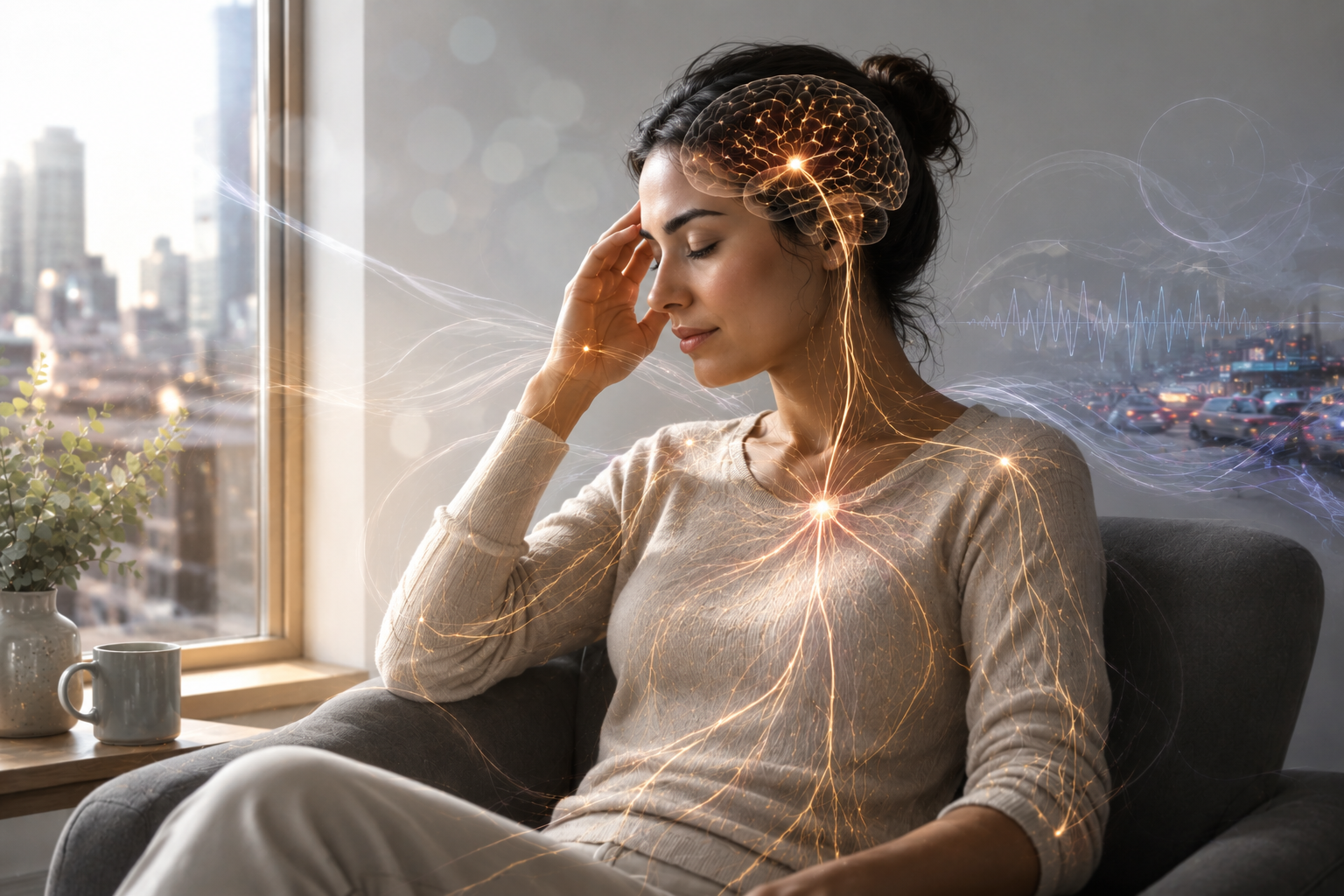
Research has shown that certain artificial dyes may contribute to hyperactivity, irritability and difficulty concentrating in some children. While not every child is sensitive, those with underlying nervous system stress may be more vulnerable. The nervous system is responsible for regulating mood, focus, sleep and behavior. When it is already under strain, additional stressors like synthetic additives can amplify symptoms.
Some children may experience increased headaches, sleep disturbances or emotional outbursts after consuming large amounts of dyed candy. For children who already struggle with migraines, vertigo or nervous system dysregulation, this can create a noticeable flare-up.
The Brainstem Connection
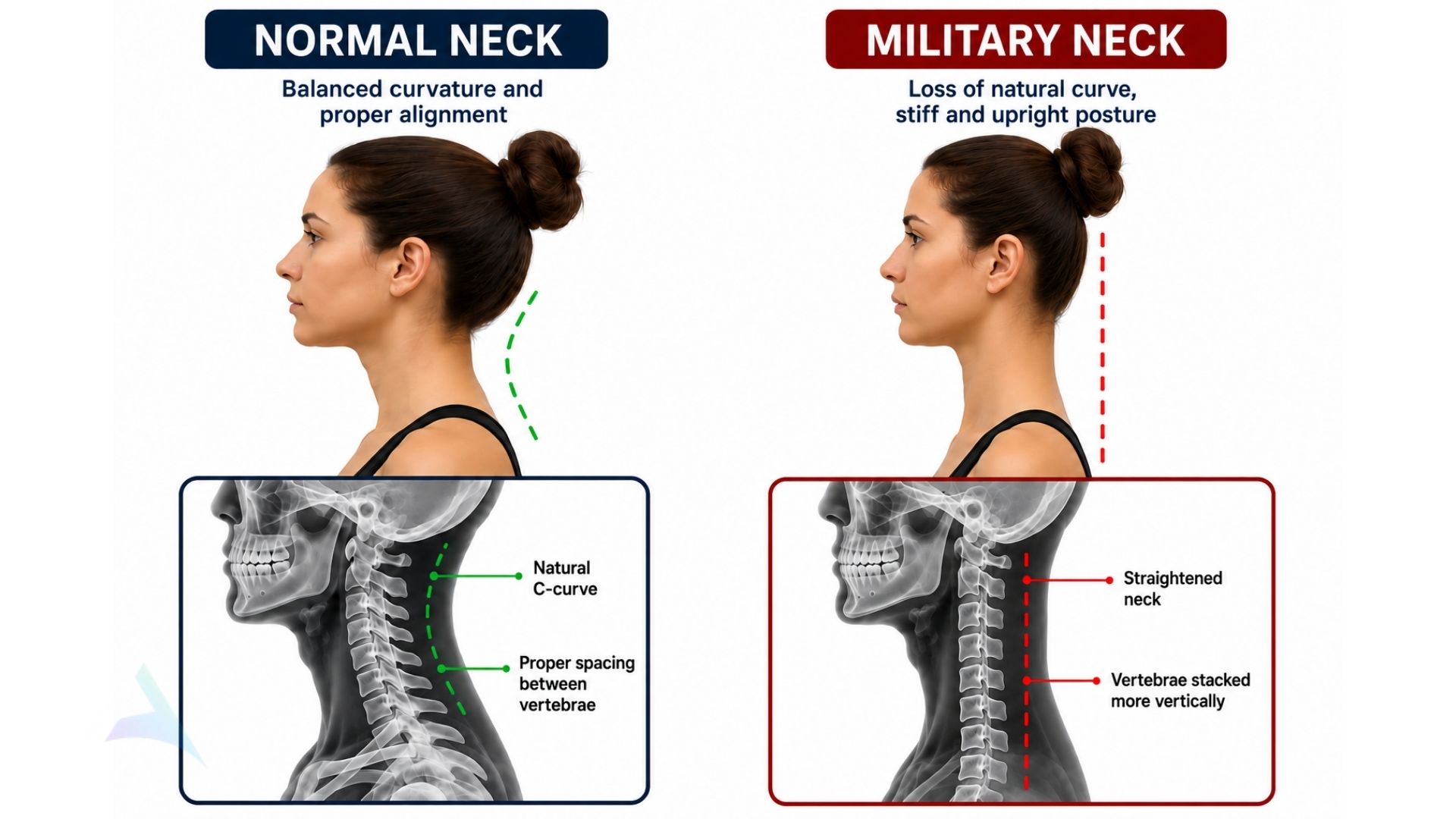
The brainstem plays a critical role in regulating the body’s automatic functions — including sleep, heart rate and stress response. When there is interference at the upper cervical spine, particularly at the atlas (C1), nervous system communication can be disrupted. Learn more about how this area influences overall health through upper cervical chiropractic care.
We’ve curated cleaner snack and candy alternatives without artificial dyes in our Amazon store for families who want fun without unnecessary additives.

What Parents Can Do
Rather than eliminating fun altogether, parents can take a balanced approach. Consider limiting heavily dyed candies and offering natural alternatives made without artificial colors. Reading ingredient labels can help identify common synthetic dyes.
Supporting the nervous system year-round is also key. Proper sleep, nutrient-dense foods and a well-functioning upper cervical spine all play a role in neurological resilience. If your child struggles with headaches, behavioral shifts or sleep disruption after candy consumption, it may be worth evaluating nervous system function. You can learn more about how alignment impacts neurological health through our atlas alignment services.
The Bottom Line
Food dyes may not affect every child the same way, but for some families, the connection between artificial coloring and behavior or headaches is clear. Halloween should still be fun — but awareness allows you to make informed choices. By reducing unnecessary stressors and supporting proper nervous system function, children can enjoy the season with fewer unwanted side effects.