

Pinched Nerve: Causes, Symptoms, and Chiropractic Care
A pinched nerve can cause sharp pain, numbness, tingling, and weakness, often interfering with daily tasks and overall comfort. Whether caused by poor posture, injury, or repetitive strain, this condition can significantly impact your quality of life. At Peak Chiropractic, we provide personalized, gentle care designed to relieve nerve pressure, restore proper alignment, and promote natural healing, helping you move freely and feel your best again.
Free Discovery Call
Provide your info below and our team will reach out to schedule your free discovery call.
What is a Pinched Nerve?
A pinched nerve occurs when surrounding tissues, such as bones, cartilage, muscles, or tendons, exert excessive pressure on a nerve. This compression disrupts the nerve's ability to transmit signals properly, resulting in symptoms such as pain, numbness, tingling, or weakness. Nerves extend from the spinal cord throughout the body, which means a pinched nerve can occur in various locations, including the neck, back, arms, or legs.
The condition can develop gradually due to chronic stress on the spine or arise suddenly from injuries or trauma. Pinched nerves are often localized, but their effects can radiate along the nerve’s pathway, creating discomfort far from the site of compression. For instance, a pinched nerve in the lower back can lead to pain or tingling in the legs—a condition known as sciatica.
Causes of a Pinched Nerve
Pinched nerves have numerous potential causes, many of which stem from everyday habits or physical conditions that place strain on the body:
- Herniated or Bulging Discs: Spinal discs act as cushions between the vertebrae, but when one protrudes or ruptures, it can press on nearby nerves.
- Spinal Misalignment: When vertebrae shift out of their proper position, they can create pressure points on surrounding nerves.
- Arthritis or Bone Spurs: Joint inflammation and bone growths can narrow the spaces through which nerves travel, leading to compression.
- Repetitive Motion: Activities involving repeated movements, such as typing or lifting, can cause stress injuries that result in pinched nerves.
- Poor Posture: Sitting or standing with poor alignment over time can strain the spine and create nerve compression points.
- Trauma or Injury: Accidents, falls, or sudden impacts can shift structures in the spine, pinching nerves in the process.
Understanding the root cause of a pinched nerve is essential for effective treatment. At Peak Chiropractic, we use diagnostic tools and personalized assessments to identify and treat the specific source of nerve compression, offering targeted relief and long-term prevention.


Symptoms of a Pinched Nerve
The symptoms of a pinched nerve can vary widely depending on its severity and location but are often disruptive to daily life. These symptoms may range from mild discomfort to debilitating pain and reduced functionality.
- Localized Pain: A sharp, stabbing, or burning pain at the site of the compressed nerve. This is often most noticeable in the neck, shoulders, or lower back.
- Radiating Pain: Pain that travels along the length of the affected nerve. For example, sciatica involves radiating pain from the lower back down the legs, while cervical nerve compression can cause pain extending from the neck into the arms.
- Numbness and Tingling: A "pins and needles" sensation, particularly in the extremities, such as the hands, fingers, feet, or toes. This symptom is often a sign of nerve interference affecting sensory signals.
- Muscle Weakness: Compression can interfere with motor function, causing weakness in affected muscles. This may make it difficult to perform everyday tasks, such as gripping objects, walking, or lifting.
- Limited Mobility: Tightness, stiffness, or reduced range of motion in the back, neck, or limbs can result from a pinched nerve.
- Fatigue and Spasms: Muscle fatigue and involuntary spasms are common as the body compensates for the affected area.
In some cases, pinched nerves may also cause secondary issues, such as headaches, poor posture, or difficulty sleeping. If left untreated, symptoms can worsen over time, potentially leading to chronic pain and long-term nerve damage. At Peak Chiropractic, our goal is to address these symptoms and their underlying causes to restore comfort and mobility.
Patient Ratings & Stories
Hear what our patients have to say about their experience at Peak Upper Cervical Center in their online reviews.


I haven’t had a single symptom since the adjustment!
I was working in Boise and seen an ad for Peak Chiropractic, I suffered with migraines, vertigo and severe nerve pain in my shoulders for 15+ years and thought it was something I was just going to live with. After an informative consultation then some 3-D imaging, a severe misalignment was found in my upper cervical area. Dr. Johnathon Finney made one adjustment before I had to go back home to Kentucky and it changed my life! I haven’t had a single symptom since the adjustment! AND he found a doctor near my home town that he went to school with and shared my files so I can have care when I am home and when I am in Boise for work! I cannot thank Dr. Johnathon enough for giving me my life back and think everyone needs to experience what Peak Chiropractic and their upper cervical care can do for them!Read Original Review


I have previously seen another practitioner in the valley, but I was never able to get relief
I love Peak Chiropractic! I’ve suffered from upper cervical pain for about 10 years and it was gradually getting worse. I have previously seen another practitioner in the valley, but I was never able to get relief and have my adjustment hold. I highly recommend Peak chiropractic.Read Original Review
I’ve been able to golf without pain and my overall quality of life has gone up.
Dr. Jon and Dr. Kyara are amazing! I started seeing them last fall. I had chronic lower back pain and spasms for half my life, about 18 years. After about 2 months of treatment my pain and spasms disappeared and they haven't come back! I've been able to golf without pain and my overall quality of life has gone up. I was so used to the pain that I was unaware of how my much it was hurting every area of my life. I HIGHLY recommend them! Thank you guys!Read Original Review
Chiropractic Care for Pinched Nerves at Peak Chiropractic
At Peak Chiropractic, we focus on delivering comprehensive, non-invasive solutions to relieve the pain and discomfort caused by pinched nerves. Chiropractic care addresses not just the symptoms but the underlying structural imbalances that lead to nerve compression, promoting long-term recovery and prevention.
Steps in Our Care Process
- In-Depth Evaluation: We begin with a thorough evaluation of your spine and nervous system, using advanced diagnostic tools to pinpoint the exact location and cause of the pinched nerve. By understanding the root of the problem, we create a personalized treatment plan tailored to your needs.
- Gentle Spinal Adjustments: Precise chiropractic adjustments are used to realign the spine, reduce pressure on the affected nerve, and improve overall spinal function. These adjustments are safe, non-invasive, and designed to provide immediate relief while supporting your body’s natural healing processes.
- Soft Tissue Therapy: Muscle tension and inflammation often accompany pinched nerves, exacerbating pain. We use targeted therapies, such as trigger point release and myofascial techniques, to relax tight muscles, improve circulation, and enhance recovery.
- Therapeutic Exercises: Rehabilitation exercises are an essential part of recovery. We provide tailored stretches and strengthening exercises to improve flexibility, stabilize the spine, and reduce the risk of future nerve compression.
- Postural and Lifestyle Guidance: Long-term relief often requires addressing habits and lifestyle factors. We offer advice on improving posture, setting up ergonomic workspaces, and integrating healthier movement patterns into your daily routine.
Benefits of Chiropractic Care for Pinched Nerves
- Immediate Pain Relief: Chiropractic adjustments often provide quick relief by reducing nerve compression and inflammation.
- Improved Mobility: Restoring proper alignment improves your ability to move freely without discomfort.
- Enhanced Nervous System Function: Relieving pressure on nerves allows the body to communicate more effectively, promoting overall health.
- Drug-Free Treatment: Chiropractic care offers a natural alternative to pain management without the risks associated with medication or invasive procedures.
- Long-Term Prevention: Addressing structural imbalances and improving spinal health reduces the likelihood of future nerve issues.
At Peak Chiropractic, our mission is to provide a holistic, patient-centered approach to pinched nerve care. Whether your symptoms are mild or severe, we are here to guide you on the path to recovery and help you achieve lasting wellness.
Schedule an appointment with Peak Chiropractic and start your journey towards a pain-free life.

Contact Us
Experience specific upper cervical chiropractic care at Peak Upper Cervical Center. Our Boise clinic is dedicated to providing top-quality and unique chiropractic care to help you achieve optimal health.
Phone
Office
Peak Upper Cervical Center
4483 N Dresden Pl #103
Garden City, ID 83714
Discover the Power of Upper Cervical Chiropractic Care
Stay informed with our latest blog posts and health tips
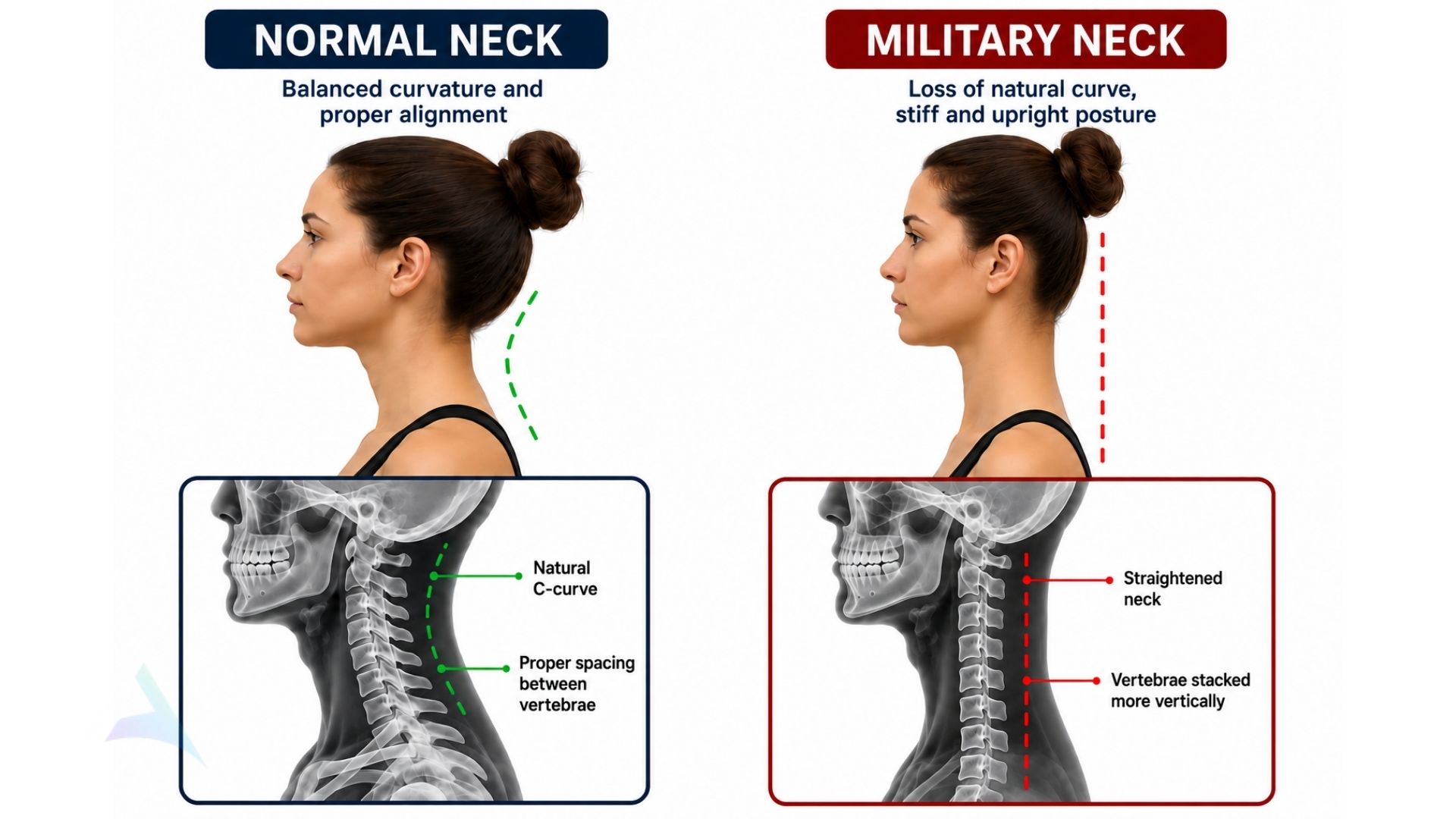
Military Neck Treatment in Boise: Restoring Your Natural Neck Curve

Migraine Treatment in Boise: Calming the Nervous System With Upper Cervical Care

Signs Your Atlas (C1) May Be Misaligned