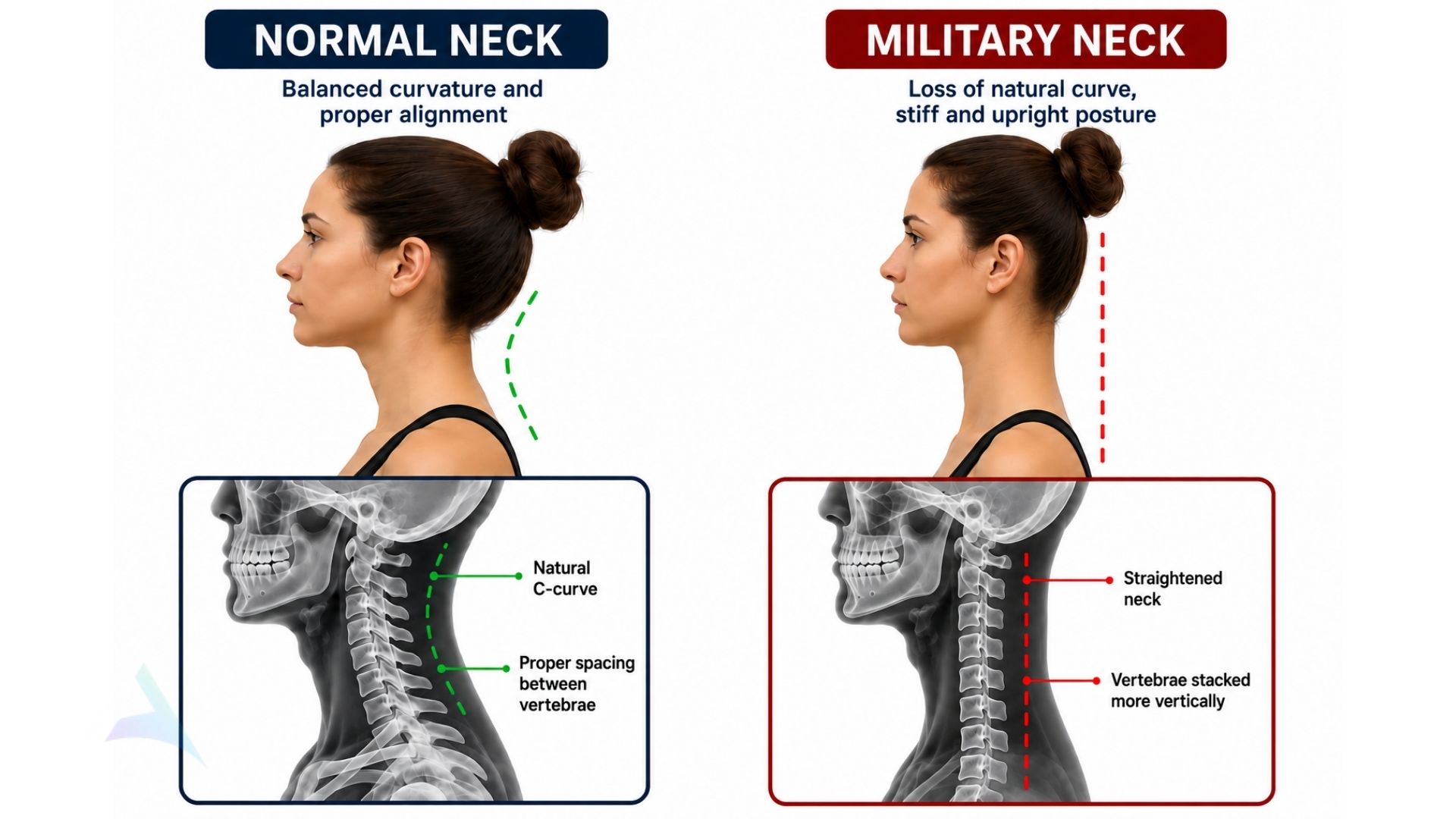


Focus and Precision
Upper Cervical Chiropractic:
This approach focuses exclusively on the top two cervical vertebrae — the atlas (C1) and axis (C2). These bones protect the brainstem, the control center for the entire nervous system. Even minor misalignments in this area can disrupt communication between the brain and body, contributing to migraines, vertigo, post-concussion symptoms, TMJ pain, and more. Adjustments are highly precise and tailored to each patient's unique anatomy, ensuring optimal nervous system function.
Traditional Chiropractic:
While traditional chiropractic often addresses the entire spine and sometimes the extremities, techniques can be less specific. Adjustments may involve twisting, popping, or general manipulation of multiple spinal regions. While effective for musculoskeletal pain relief, it may not target the root cause of nervous system dysfunction like upper cervical care does.
Method and Technique
Upper cervical chiropractic employs gentle, non-invasive adjustments. The goal is not force but precision — restoring the top vertebrae to their ideal alignment without twisting or cracking. Tools, imaging, and careful measurements ensure every adjustment is specific and safe.
Traditional chiropractic may involve:
- High-velocity, low-amplitude (HVLA) adjustments
- Manual manipulation across multiple spinal segments
- Techniques aimed at joint mobility and pain relief rather than direct nervous system optimization
- No imaging (many times), indicating less specificity
The difference is subtle but impactful: upper cervical care prioritizes nerve communication and overall body function, while traditional care often emphasizes musculoskeletal alignment and symptom management.
Impact on the Nervous System
The brainstem is a critical hub that regulates every organ, gland, and muscle. Upper cervical adjustments can remove interference, allowing the brainstem to communicate effectively with the body. This can result in:
- Reduced frequency and intensity of migraines
- Improved balance and vertigo symptoms
- Faster recovery from post-concussion syndrome
- Better sleep, energy, and overall wellness
Traditional chiropractic care can help with pain relief and posture, but may not address brainstem function and nervous system regulation as directly or comprehensively.
Frequency and Long-Term Goals
Upper cervical care often starts with more frequent visits to correct misalignment, then gradually moves to longer intervals for maintenance and nervous system support. The goal is long-term stability and nervous system health, not temporary relief.
Traditional chiropractic may have variable frequency depending on pain management goals, often focusing on immediate symptom relief rather than precise nervous system restoration.
Patient Experience and Outcomes
Patients often describe upper cervical care as:
- Gentle and precise
- Life-changing in terms of nervous system health
- Effective for long-term symptom improvement
Traditional chiropractic patients may notice improvements in mobility and pain, however usually needing to go back regularly, and optimal nervous system benefits might not be reached.
The Takeaway
Both approaches have value, but upper cervical chiropractic specifically addresses the root cause of nervous system dysfunction — misalignment of the atlas and axis. By restoring brainstem communication, it provides a gentle, precise, and effective path to long-term wellness, particularly for those struggling with migraines, vertigo, post-concussion symptoms, and chronic nervous system stress.
✨ Bottom Line: Upper cervical chiropractic prioritizes nervous system function through precision adjustments of the top two cervical vertebrae, while traditional chiropractic often focuses on broader musculoskeletal alignment. Understanding the difference empowers patients to choose the care that best supports their health and healing journey.
Ready to experience the upper cervical difference?
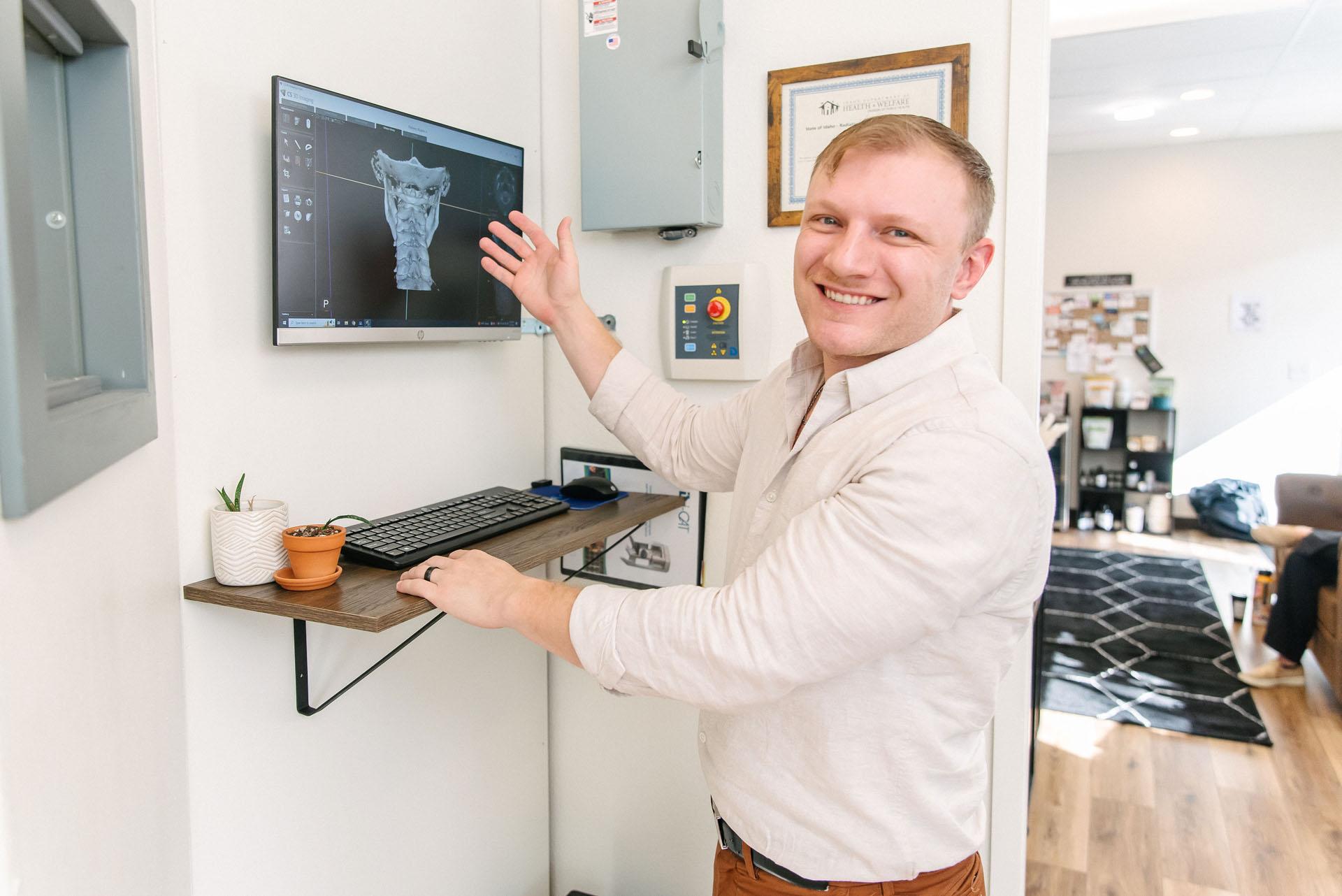
At Peak Upper Cervical Center in Boise, we use advanced 3D imaging and functional nervous system testing to identify exactly where interference is occurring — then correct it with precise, gentle care. No twisting. No cracking. Just results. Learn more about our process or schedule your consultation today.