


Step 1: Comprehensive Health History
Your first appointment typically begins with a thorough review of your medical history and current symptoms. This includes:
- The nature, frequency, and severity of your symptoms
- Past injuries, accidents, or concussions
- Sleep patterns, stress levels, and lifestyle factors
- Previous treatments or interventions
This step allows the chiropractor to understand your unique health picture and determine how misalignments in your upper cervical spine may be affecting your nervous system.
Step 2: Postural and Structural Assessment
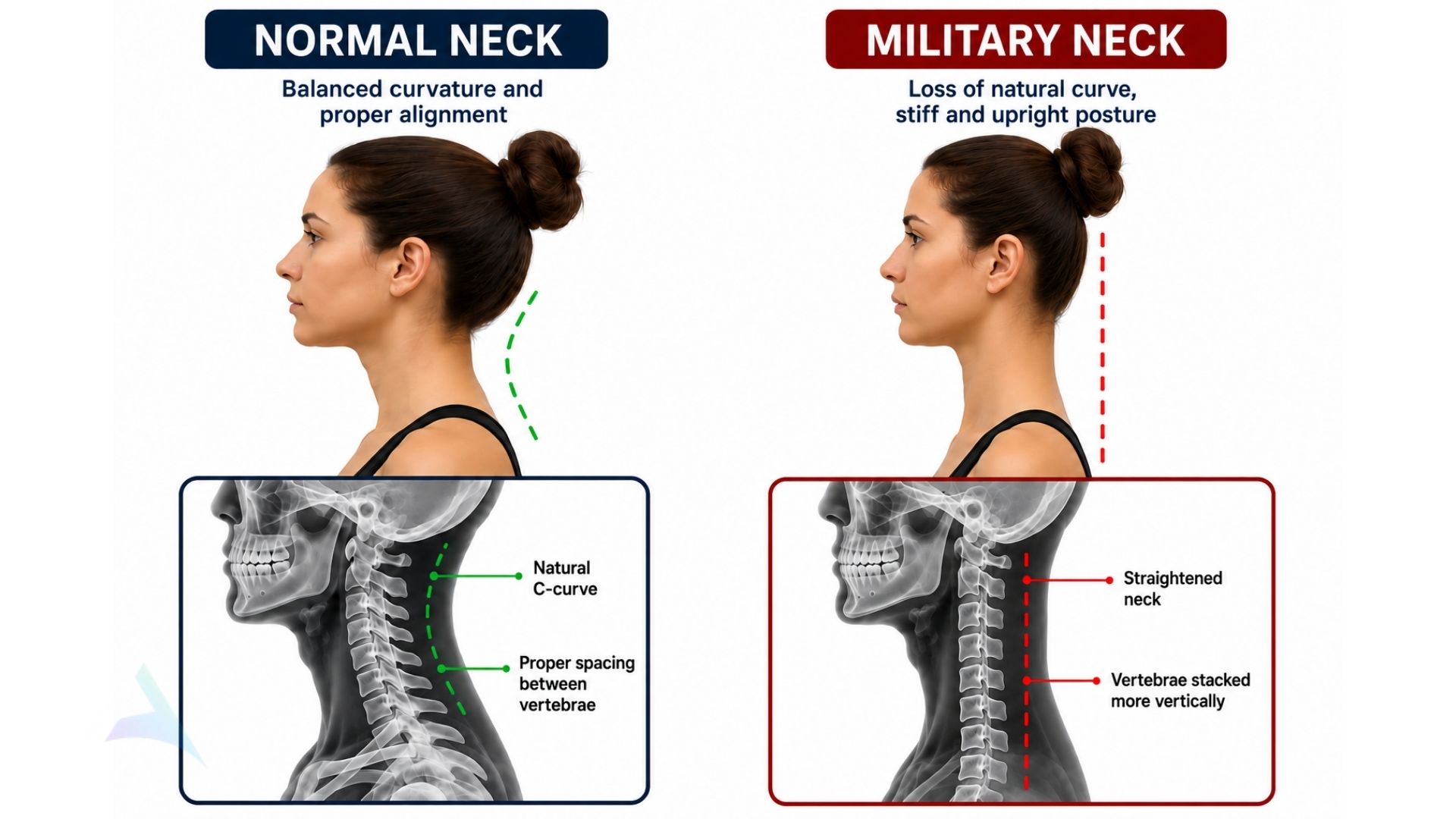
Next, your chiropractor will evaluate your posture, head position, and alignment of the upper neck. Subtle misalignments in the atlas (C1) and axis (C2) can disrupt brainstem function, impacting nerve signaling throughout the body. Some assessments may include:
- Standing and seated postural analysis
- Range of motion testing
- Observation of head tilt or shoulder imbalance
These assessments help the chiropractor determine if and where adjustments may be needed.
Step 3: Imaging or Specialized Measurements
Many upper cervical chiropractors use precise imaging or specialized measurements to understand the alignment of the top two cervical vertebrae. At Peak Upper Cervical Center, we use advanced 3D imaging (CBCT) to ensure that:
- Adjustments are tailored specifically to your anatomy
- Corrections are gentle, safe, and highly precise
- Nervous system communication can be restored effectively
Your first visit is not about forceful manipulation — it's about accuracy and safety to support nervous system function.
Step 4: Discussion of Findings and Care Plan
Once your assessment is complete, your chiropractor will explain:
- Any misalignments or structural findings
- How these misalignments may contribute to symptoms like headaches, vertigo, or TMJ pain
- A personalized care plan detailing frequency of adjustments and lifestyle recommendations
This is your opportunity to ask questions and understand the process fully. Upper cervical care is highly specific, so clarity and comfort with your plan are essential.
Step 5: Gentle Adjustment (If Appropriate)
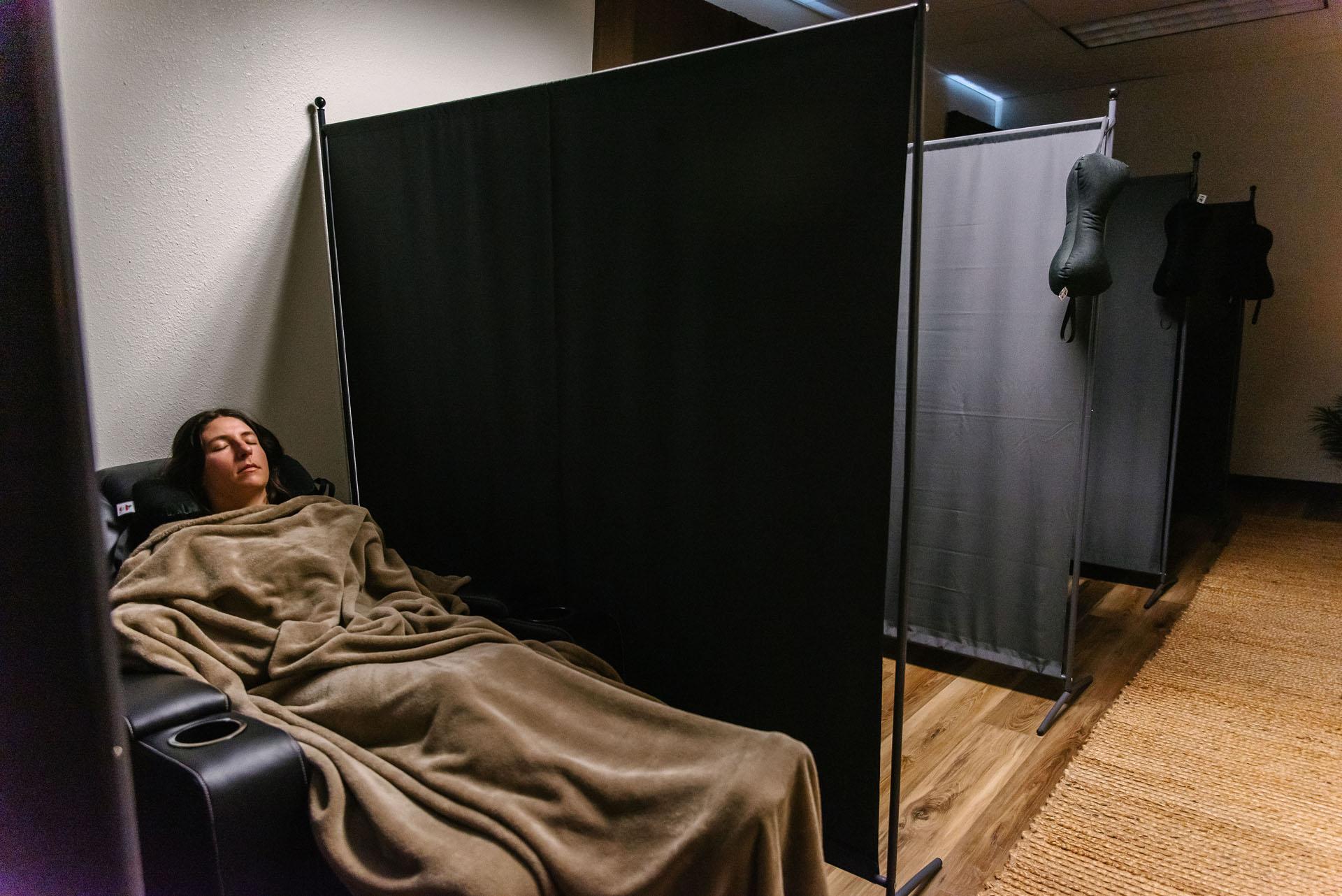
Some patients may receive their first adjustment during the initial visit. Upper cervical adjustments are:
- Precise and gentle, targeting only the top two vertebrae
- Designed to restore optimal alignment without forceful twisting or cracking
- Intended to improve nervous system communication, which can reduce symptoms over time
Many patients notice subtle improvements immediately, such as reduced tension, better balance, or increased clarity, though full results often develop gradually as the nervous system adjusts.
Step 6: Aftercare and Education
Your chiropractor may provide guidance on:
- Post-visit care and activity modifications
- Nutritional and hydration support for nervous system health
- Exercises or stretches to complement adjustments
- Ways to track symptom improvements and celebrate small wins
This helps reinforce the benefits of care and supports long-term nervous system function.
The Takeaway
The first visit to an upper cervical chiropractor is comprehensive, safe, and focused on nervous system healing. By understanding your history, evaluating your alignment, and creating a personalized care plan, your chiropractor sets the foundation for long-term improvement in symptoms like migraines, vertigo, chronic pain, and post-concussion issues.
✨ Bottom Line: Your first upper cervical visit is about precision, understanding, and individualized care. With gentle adjustments and a focus on restoring optimal nervous system function, patients often experience improvements in symptoms and overall well-being, paving the way for lasting health.
Ready to take the first step?
At Peak Upper Cervical Center in Boise, your first visit is a thorough, pressure-free experience designed around your unique health picture. Learn more about our process or read what our patients say on our reviews page — then schedule your consultation today.