

The Hidden Danger of Head Injuries
Concussions and other head injuries are often described as "invisible injuries" because they don't always show up on X-rays or scans. Yet, they can affect the brain, spinal cord, and nervous system in profound ways. Even minor impacts can cause the brain to shift inside the skull, creating microscopic damage to neurons and disrupting communication between the brain and the rest of the body.
In contact sports or high-speed activities, the force of impact can be enormous. Research shows that concussions often occur from forces ten times greater than what's needed to injure the neck. That means every concussion is also, in essence, a neck injury — one that is often overlooked but can interfere with your nervous system's ability to function properly.
How Helmets Help
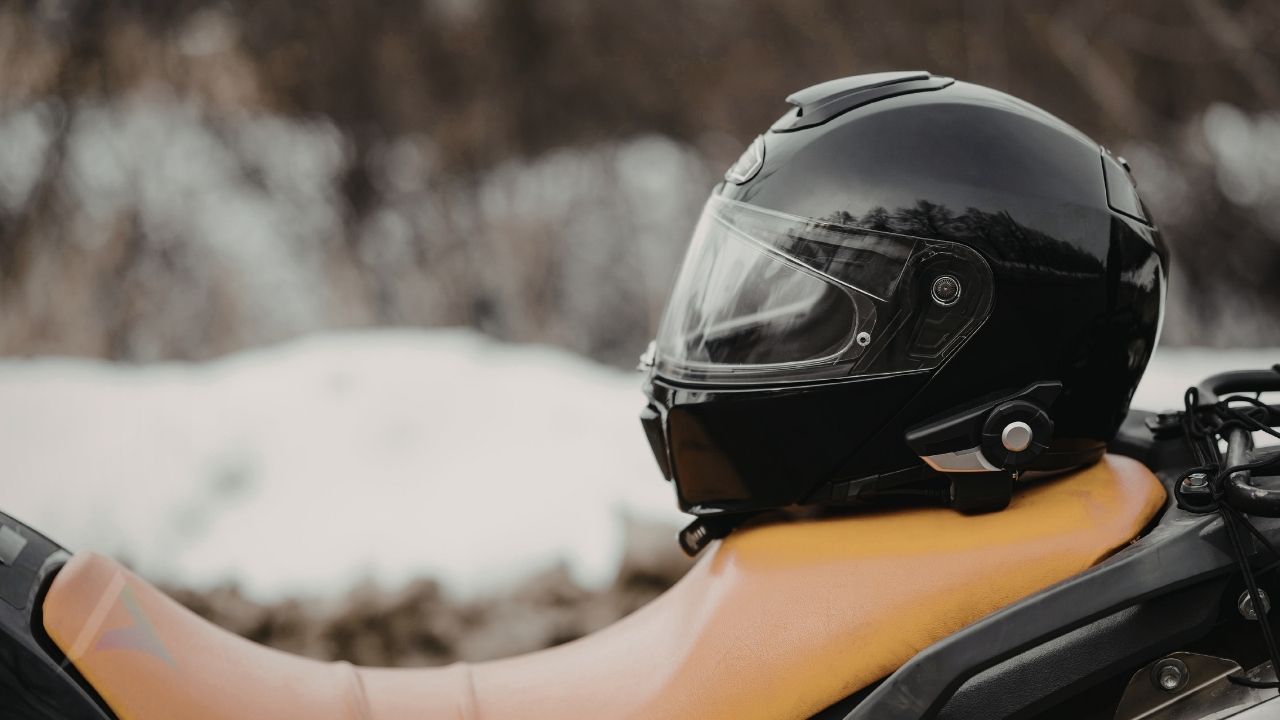
Helmets are designed to absorb and distribute the force of impacts, reducing the risk of brain injury. While no helmet can prevent every concussion, wearing one drastically decreases the severity of injuries and protects the delicate structures in your head and upper cervical spine. Proper helmet fit is also crucial: a helmet that's too loose or too tight may not provide adequate protection during an impact.
Protecting the Nervous System
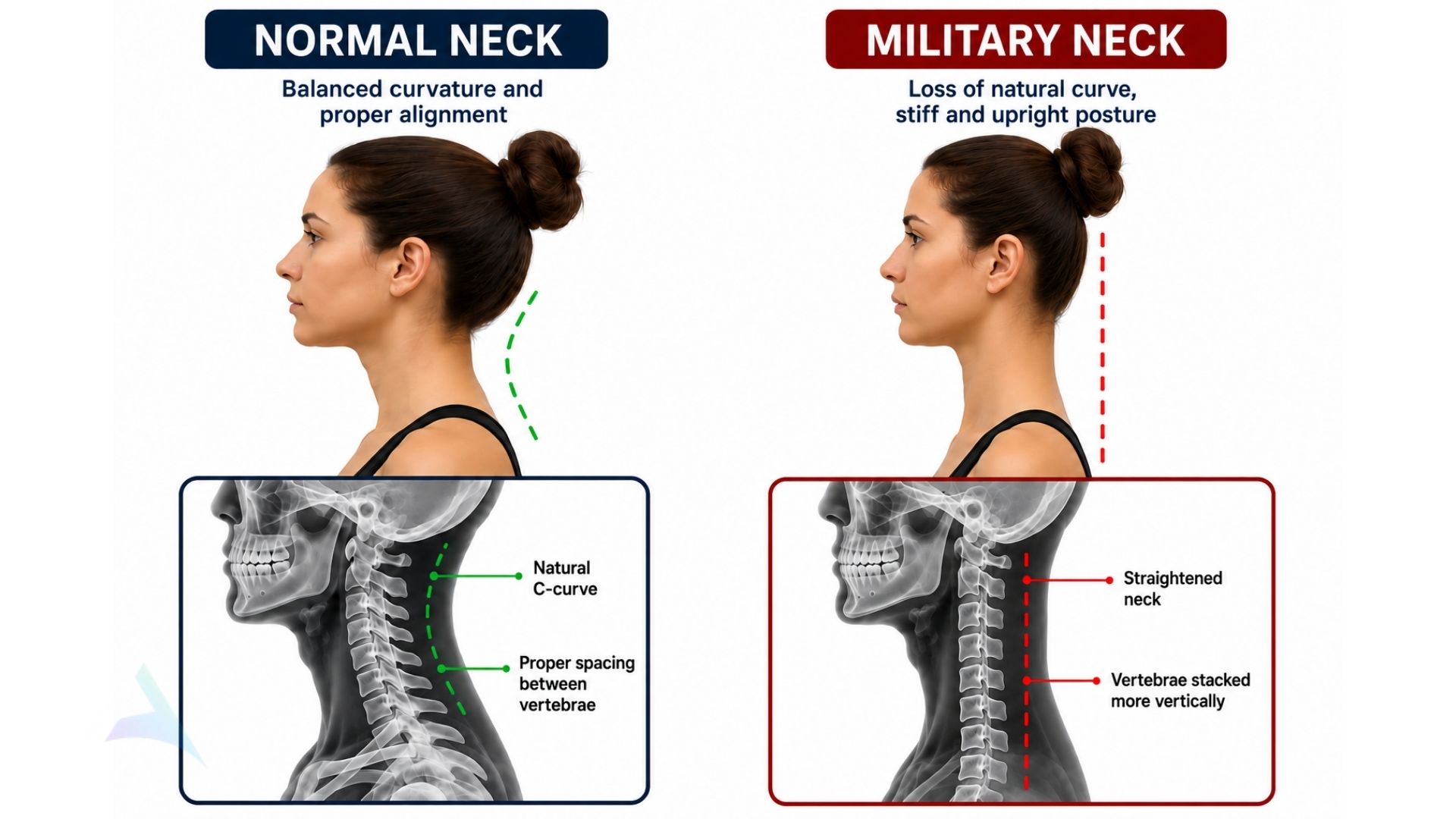
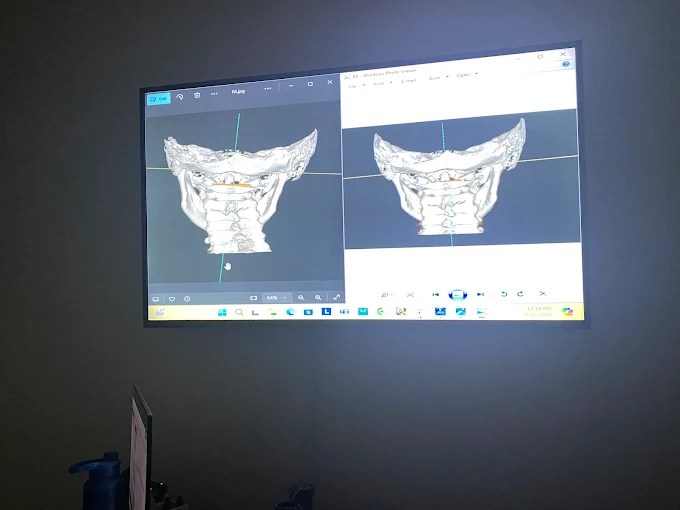
The brainstem, located at the top of the spine, is the central hub for your nervous system. It controls balance, coordination, reflexes, heart rate, breathing, and even hormone regulation. Misalignments of the top cervical vertebrae (the atlas and axis) can interfere with these vital functions. A blow to the head without protection can easily misalign these vertebrae, leading to headaches, dizziness, fatigue, and other nervous system dysfunctions.
Wearing a helmet helps prevent these misalignments, ensuring that your nervous system can continue to communicate efficiently with your body. When combined with upper cervical chiropractic care, helmets help safeguard both immediate safety and long-term neurological health.
Teaching Safety Early
Helmets aren't just for adults or athletes — they're for anyone who risks head injury. Teaching children and teens the importance of wearing helmets early instills lifelong safety habits. Consistently wearing protective gear reinforces the idea that preventing injury is always better than treating it.
Parents play a key role here. When children see adults wearing helmets consistently, the behavior becomes normal rather than optional. This is especially important in sports like football, hockey, and snowboarding where high-impact collisions are common. If you're unsure whether your child has experienced head or neck trauma that may have gone unaddressed, learning more about upper cervical care is a good first step.
The Bottom Line
Your head and neck are the most vulnerable parts of your body in any high-impact activity. Helmets are an essential tool to protect your brain, spinal cord, and nervous system from injury. While upper cervical chiropractic care can help correct misalignments and support recovery, prevention is always the first step.
Whether you're hitting the field, slopes, or streets, always wear a helmet. Your nervous system — and your future self — will thank you.
Already experienced a head or neck injury?
Many people don't realize that past trauma — even from years ago — can leave misalignments in the upper cervical spine that quietly affect health. Our team at Peak Upper Cervical Center in Boise offers gentle, precise care that addresses the root cause — not just the symptoms. Schedule a consultation and find out if upper cervical care is right for you.

We've put together a curated selection of products on our Amazon Storefront that support recovery, head protection, and nervous system health — things we personally recommend for our patients and community. From ergonomic support tools to recovery aids, you can browse everything in one place.