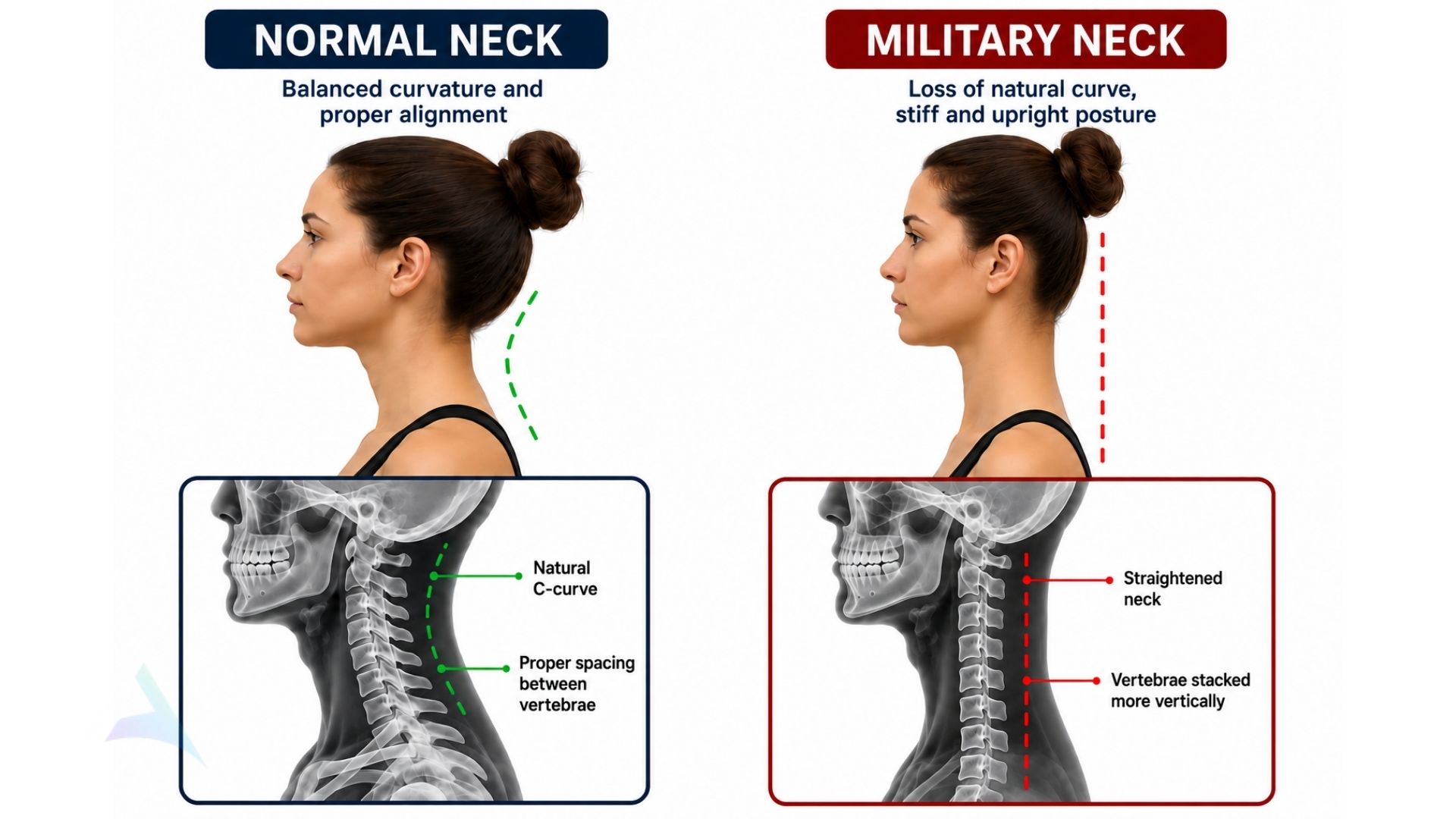



The Nervous System Is Complex
The nervous system controls every function in your body — from movement and balance to digestion and emotional regulation. The brainstem, housed and protected by the top two cervical vertebrae (C1 and C2), acts as the central hub of communication. When misalignments occur in the upper cervical spine:
- Nerve signaling can be disrupted
- Blood flow and cerebrospinal fluid circulation may be compromised
- Muscles, joints, and organs may compensate for the imbalance
Because the nervous system is intricate and interconnected, even small misalignments can affect multiple body systems simultaneously. Correcting these misalignments is only the first step; the body then needs time to retrain and recalibrate.
Why Changes Aren't Instant
After an upper cervical adjustment, the body begins to restore communication between the brainstem and the rest of the body. However, chronic misalignments often lead to years of compensation, tension, and altered movement patterns. Your body may need weeks or months to:
- Rebalance muscle tension
- Improve blood and cerebrospinal fluid flow
- Restore proper nerve signaling
- Reset postural habits and movement patterns
This process is gradual, but each adjustment contributes to lasting improvement. It's similar to retraining a computer network after a disruption — it takes time for all signals to flow efficiently again.
Factors That Affect Healing Time
Several factors influence how quickly a patient experiences results, including:
- Duration of misalignment or chronic symptoms: Longer-standing issues may require more time to correct.
- Severity of symptoms: More severe migraines, vertigo, or post-concussion symptoms can take longer to stabilize.
- Lifestyle factors: Sleep, hydration, nutrition, stress, and movement habits all impact nervous system recovery.
- Consistency of care: Regular adjustments help the nervous system adapt more efficiently and prevent regression.
Even if progress feels slow, every small improvement is a sign that the body is healing.

The Importance of Patience
Patience is a critical component of nervous system healing. By allowing your body the time it needs to adjust and recalibrate, you:
- Reduce stress on the nervous system
- Support sustainable improvements rather than temporary relief
- Encourage long-term health and function
Tracking small improvements in symptoms, balance, sleep, or energy can provide motivation and reinforce the positive changes happening internally.
Supporting the Healing Process
In addition to adjustments, you can support nervous system healing through:
- Hydration: Proper fluid intake supports circulation and nerve function. Read more in our post on hydration and nervous system health.
- Nutrition:Anti-inflammatory foods and nutrient-dense meals fuel nervous system recovery.
- Movement: Gentle exercises and posture awareness reinforce alignment.
- Stress management: Meditation, breathing exercises, and mindful activities reduce nervous system strain.
These strategies complement upper cervical chiropractic care, helping your body adapt more efficiently and recover fully.
The Takeaway
Nervous system healing is a gradual process, particularly for chronic or long-standing issues. Upper cervical chiropractic adjustments restore alignment, allowing the brainstem and nerves to communicate effectively, but the body needs time to recalibrate and retrain. Consistency, patience, and supportive lifestyle habits are essential for lasting results.
Healing the nervous system isn't instant, but with consistent upper cervical care, supportive habits, and patience, meaningful improvements accumulate over time. Each adjustment, lifestyle change, and small win brings you closer to optimal nervous system function and overall wellness.
Wondering where you are in your healing journey?
At Peak Upper Cervical Center, we check in at every visit using functional nervous system testing so you can see your progress objectively — not just feel it. We walk with you through every stage of the process. Schedule your consultation today.