

Whiplash: Causes, Symptoms, and Chiropractic Care for Recovery
Whiplash can cause sharp pain, stiffness, and headaches, often interfering with your daily routine and quality of life. This common injury, typically caused by sudden impact or trauma, affects the neck’s soft tissues and alignment. At Peak Chiropractic, we provide personalized care to relieve pain, restore mobility, and support your recovery with gentle, effective treatments.
Free Discovery Call
Provide your info below and our team will reach out to schedule your free discovery call.
What is Whiplash?
Whiplash is a neck injury caused by a rapid, forceful back-and-forth motion of the head, often resembling the crack of a whip. This sudden movement strains the muscles, ligaments, and joints in the neck, leading to pain and discomfort. While whiplash is most commonly associated with rear-end car accidents, it can also result from physical trauma such as sports injuries, falls, or any event that jolts the head unexpectedly.
How Whiplash Affects the Spine
The cervical spine, or neck region, is particularly vulnerable to injury due to its flexibility and proximity to the head. When the neck is subjected to sudden acceleration and deceleration forces, the vertebrae may shift out of alignment, causing a condition known as subluxation. This misalignment puts stress on the surrounding muscles, ligaments, and nerves, leading to inflammation and tension that can exacerbate symptoms.
The effects of whiplash are not limited to the neck. The trauma can create a ripple effect through the entire spine, as the body compensates for the injury, potentially leading to discomfort in the shoulders, back, and even the lower body.
Long-Term Consequences of Untreated Whiplash
Whiplash is often underestimated as a minor injury, but failing to treat it properly can lead to long-term complications. Persistent neck pain, chronic headaches, reduced mobility, and even postural imbalances can arise from untreated whiplash. Additionally, nerve irritation caused by vertebral misalignment may contribute to systemic issues such as numbness, tingling, or difficulty concentrating.
Why Early Care is Crucial
Seeking chiropractic care early can prevent whiplash from becoming a chronic condition. At Peak Chiropractic, we prioritize identifying and addressing the root causes of your injury. Using gentle, precise techniques, we aim to realign the cervical spine, reduce inflammation, and restore your body’s natural balance. Our personalized approach ensures that every patient receives care tailored to their unique needs, promoting faster recovery and long-term wellness.


Symptoms of Whiplash
Whiplash symptoms can vary significantly depending on the severity of the injury, the individual’s overall health, and how quickly treatment is sought. These symptoms may develop immediately after the incident or take hours to days to appear, often making it difficult to recognize the full extent of the injury without a professional evaluation.
- Neck Pain and Stiffness: The most common symptom of whiplash, this pain often worsens with movement or prolonged periods of stillness. Tightness in the muscles may make turning the head uncomfortable or difficult.
- Headaches: Often originating at the base of the skull, whiplash-induced headaches can spread toward the forehead and temples. These headaches may persist, reducing focus and productivity.
- Shoulder and Upper Back Pain: The force of a whiplash injury can extend its effects beyond the neck, causing soreness or tension in the shoulders and upper back muscles.
- Tingling or Numbness: When nerves in the cervical spine are compressed or irritated, it can result in sensations of tingling, numbness, or even weakness in the arms or hands.
- Dizziness and Balance Issues: Whiplash can affect the vestibular system, leading to a feeling of unsteadiness, dizziness, or episodes of vertigo.
- Fatigue and Sleep Disturbances: Persistent discomfort from whiplash may lead to trouble sleeping, which can compound symptoms like fatigue and difficulty concentrating.
- Jaw Pain (TMJ Disorder): The sudden jarring motion associated with whiplash can also strain the temporomandibular joint, leading to jaw pain or clicking sounds when chewing or speaking.
Whiplash can also cause less obvious symptoms, such as blurred vision, ringing in the ears (tinnitus), or emotional changes like irritability and anxiety. It is essential to seek professional care to evaluate these symptoms and develop a treatment plan that addresses both immediate pain and long-term recovery.
Patient Ratings & Stories
Hear what our patients have to say about their experience at Peak Upper Cervical Center in their online reviews.


My son has had one headache in 4 months. One! And his sensory issues are not even a thing anymore.
Dr. Jon and Kyara are amazing!!! I lived with severe neck and shoulder pain for 5 years, trying everything you can think of for relief. Nothing helped. One day I saw a video on Instagram that just spoke to me. It was everything I was experiencing. The videos are so informative. I called that day and set an appointment. Kyara asked me before my first adjustment if I was ready for the first day of my new life and in my mind I truly wasn’t convinced that it was going to be as magical as it has been. I’ve been there and tried that so I was hopeful but not 100% convinced. She was right, it was the first day of my new life. My pain is nothing like it was, it used to be all I could think about. I’m not perfect yet but I’m on my way there. Peak Chiropractic has changed my life. Best decision I have ever made for myself. My son (13) got a scan for frequent headaches and sensory issues. Dr. Jon had me bring him in for a scan and again was hopeful but not fully convinced and once again they were right. My son has had one headache in 4 months. One! And his sensory issues are not even a thing anymore. It has been amazing for him and I’m so grateful he is getting treatment as well. On top of all the goodness we have had since starting we also feel cared for by both Dr. Jon and Kyara. They feel like family and care about us. Kyara is also super into all around health and I am always learning things from her each time I go. Definitely life changing all the way around and I highly recommend checking them out. You will not be disappointed!Read Original Review


I would strongly recommend to anyone suffering from neck and back pain and needing a solution.
Dr. Jon and staff are extremely knowledgeable and masters of their craft. I cannot thank them enough with helping me on my road to neck issues recovery. They truly care about the well-being of their clients. Extremely welcoming and upbeat. I look forward to working with them every week. I would strongly recommend to anyone suffering from neck and back pain and needing a solution.Read Original Review
Drs. Kyara and Jon are on a mission to bring upper cervical care to the people of the Treasure Valley
Drs. Kyara and Jon are on a mission to bring upper cervical care to the people of the Treasure Valley, and their success is evident at Peak Chiropractic. The moment you step in, you can feel their genuine care and compassion for their patients. If you’re looking for a place that can help you get to the root of the chronic issues you may have been told there’s no help for, I wholeheartedly recommend a visit to Peak Chiropractic.Read Original Review
How Peak Chiropractic Treats Whiplash
At Peak Chiropractic, we understand that whiplash injuries affect more than just the neck—they can disrupt your overall quality of life. That’s why our approach to whiplash care is comprehensive, personalized, and focused on both immediate relief and long-term healing.
- Detailed Assessments: Before beginning treatment, we conduct a thorough evaluation to understand the extent of the injury. This includes analyzing the alignment of your cervical spine, assessing muscle tension, and identifying nerve interference. Advanced diagnostic tools allow us to pinpoint the areas most affected by whiplash.
- Precise Spinal Adjustments: Our chiropractors use gentle, targeted techniques to restore proper alignment in the cervical spine. These adjustments relieve pressure on nerves, reduce inflammation, and help the body heal naturally.
- Soft Tissue Therapy: Tight and inflamed muscles are common after a whiplash injury. We use non-invasive techniques such as myofascial release and trigger point therapy to relax these muscles, improve circulation, and reduce tension.
- Rehabilitation and Exercises: Recovery doesn’t stop after an adjustment. We provide customized exercises to strengthen the neck and upper back, restore range of motion, and prevent future injuries. These exercises are designed to be easy to integrate into your daily routine.
- Postural Education and Lifestyle Advice: Whiplash can affect your posture and daily habits. We offer guidance on improving ergonomics at work and home, incorporating stretches, and maintaining good posture to support recovery and prevent re-injury.
The Long-Term Benefits of Chiropractic Care for Whiplash
- Pain relief without relying on medication or invasive procedures.
- Improved range of motion and flexibility in the neck and shoulders.
- Enhanced nervous system function and reduced nerve-related symptoms.
- Prevention of chronic pain and other long-term complications.
- A holistic approach to health that prioritizes your overall well-being.
At Peak Chiropractic, we’re here to help you move past the discomfort of whiplash and regain control of your life. Whether your injury is recent or you’ve been struggling with symptoms for months, our team is ready to provide the care you need to heal and thrive.
Schedule an appointment with Peak Chiropractic and start your journey towards a pain-free life.

Contact Us
Experience specific upper cervical chiropractic care at Peak Upper Cervical Center. Our Boise clinic is dedicated to providing top-quality and unique chiropractic care to help you achieve optimal health.
Phone
Office
Peak Upper Cervical Center
4483 N Dresden Pl #103
Garden City, ID 83714
Discover the Power of Upper Cervical Chiropractic Care
Stay informed with our latest blog posts and health tips
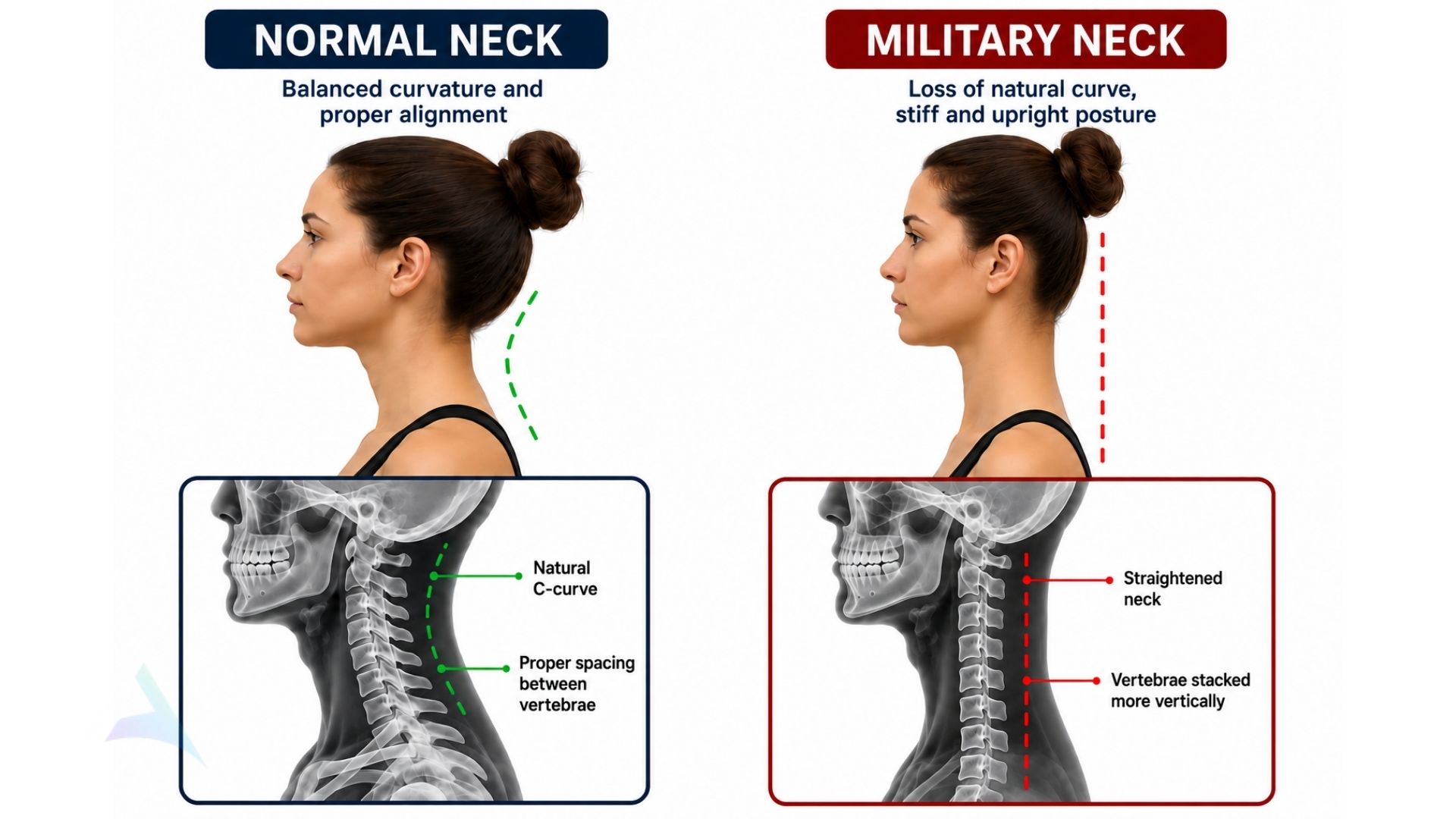
Military Neck Treatment in Boise: Restoring Your Natural Neck Curve

Migraine Treatment in Boise: Calming the Nervous System With Upper Cervical Care

Signs Your Atlas (C1) May Be Misaligned