


What a Migraine Actually Is
A migraine is not simply a bad headache — it's a neurological event. It often comes in stages and can bring throbbing or pulsing pain (frequently on one side), nausea, and a strong sensitivity to light, sound, or smell. Some people get an aura beforehand — visual changes, tingling, or trouble finding words. Others carry a background of head pain and neck tension between attacks.
For a long time migraines were brushed off. Today we understand them as a real, measurable difference in how the brain and nervous system process signals — and that shift in understanding matters, because it points us toward the root rather than just the symptom.
Why the Nervous System Sits at the Center
The leading explanation for migraine involves a nervous system that has become over-excitable — quicker to fire and slower to settle. Researchers often point to the trigeminovascular system and a network in the brainstem where signals from the head, face, and upper neck are gathered and sorted. When that network is running "hot," ordinary inputs like light or a change in weather can tip you into an attack.
So a migraine is less about one single trigger and more about a threshold. The lower your nervous system's threshold, the less it takes to set things off. A big part of our work is helping raise that threshold so it takes more, not less, to trigger you.
Where the Upper Neck Comes In
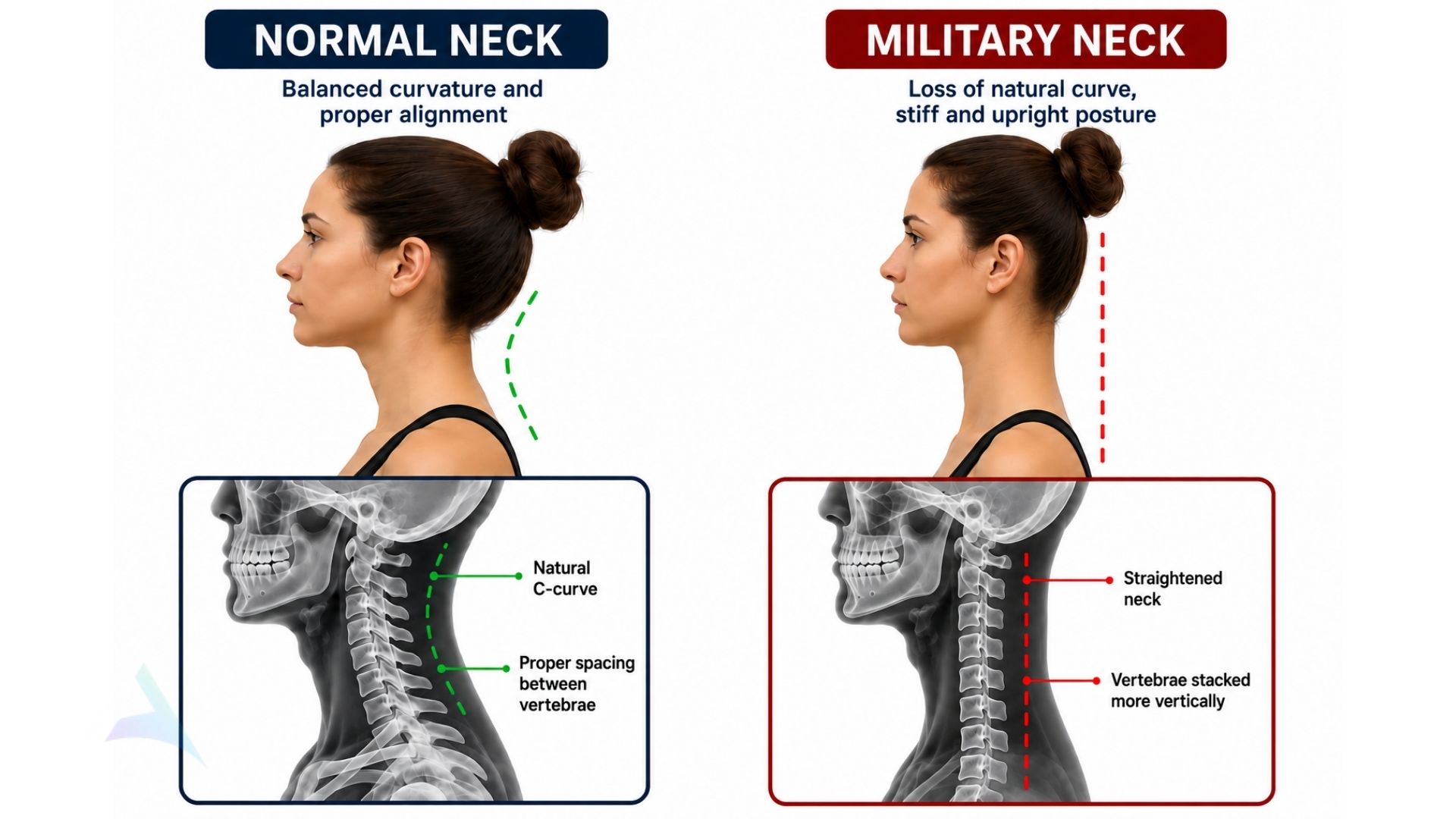
Here's the piece most people have never had explained to them. The atlas and axis — the top two bones of your spine — sit right at the base of the skull, next to that same brainstem hub. The nerves of the upper neck and the trigeminal system that drives migraine pain actually converge there. It's worth understanding why these two small bones matter so much.
When the upper neck is misaligned or irritated — sometimes years after a car accident, a fall, a sports hit, or even a difficult birth — it can add a steady stream of extra input into an already sensitive system. That's one reason so many of my migraine patients also carry neck tension, jaw tension, or a history of head or neck injury. It's also why migraines so often travel alongside vertigo and dizziness. Even if you can't recall a specific injury, the upper neck is worth assessing.
What the Research Shows — and What It Doesn't
I want to be straight with you here. The science that migraine involves an over-sensitized nervous system is strong. The research on upper cervical care specifically for migraine is more limited and made up largely of smaller studies and case reports rather than big clinical trials. Some of those results are genuinely encouraging — patients reporting fewer and less intense migraines — but a promising case is not a guarantee, and I will never tell you we can "cure" migraines.
What I can say honestly is this: when an upper-neck problem is part of your picture, gently addressing it may help calm the system and, for some people, reduce how often and how hard migraines hit. Migraine is best managed as a whole-person effort, and care should always be personalized to you.

The Upper Cervical Approach at Peak
Upper cervical care is a focused branch of chiropractic that works only with the top of the neck — with no twisting, cracking, or popping. If you're someone whose migraines make you sensitive to touch and movement, that gentleness matters a great deal.
Your visit begins with precise measurement, not guesswork. We use 3D CBCT imaging and functional nervous system testing to see exactly where and how your atlas has shifted. From there we use low-force, specific methods such as the Blair upper cervical technique or the knee-chest technique to guide that bone toward its natural position — then give your body time to hold the correction.
Some of the links above are affiliate links. If you purchase through them, Peak Upper Cervical Center may earn a small commission at no extra cost to you. We only recommend products we genuinely trust and use with our patients.
A Whole-Person Migraine Plan
Migraines rarely respond to any single fix, so the supportive basics carry real weight. These aren't a replacement for care — they simply give an over-excitable nervous system a calmer, steadier place to settle. A few things I often talk through with patients:
- Steady your magnesium. Magnesium is one of the most studied nutrients for migraine and supports healthy nerve and muscle function — it's often one of the first things I reach for. You can find the practitioner-grade options we trust through our Fullscript dispensary, and I go deeper in our post on magnesium and nervous system health.
- Protect your hydration. Even mild dehydration is a classic migraine trigger. Our guide on why water is essential for the nervous system covers the why.
- Eat to lower the load. An anti-inflammatory way of eating can take pressure off a sensitized system. Start with our guide to anti-inflammatory foods for the nervous system, and for simple, clean staples we like Just Ingredients.
- Guard your sleep. Irregular or poor sleep is a major migraine trigger, so a supportive, non-toxic mattress is a real investment in fewer attacks — options like Saatva or Avocado are favorites, and you'll find other sleep and comfort tools on our Amazon storefront.
- Help your system downshift. Because stress lowers your migraine threshold, calming tools can help — our article on resetting the nervous system naturally is a good place to start, and at-home tools like Hooga Health red light or a Nurecover recovery device (use code PEAKCHIRO) can make a soothing part of a wind-down routine.
None of these replace care, and none are a cure — they simply support the same goal: raising your threshold so it takes more to trigger a migraine, not less.
A Quick Word on Safety
Most migraines, while miserable, are not dangerous. But some headache patterns deserve prompt medical attention — a sudden "worst headache of your life," a headache after a significant head injury, or one that comes with fever, a stiff neck, confusion, weakness, or changes in vision or speech. If that's you, please seek medical care right away. Upper cervical care is one part of a thoughtful plan, not a substitute for appropriate medical evaluation.
Looking for Migraine Relief in Boise?
If your migraines come with neck tension, jaw tension, or a history of a head or neck injury, your upper neck is worth a closer look as one piece of the puzzle. I'd be glad to help you find out whether an upper cervical issue is part of your story. Learn more about why patients choose Peak, see that we proudly serve Boise and the Treasure Valley, and when you're ready, book your appointment with our team.

Frequently Asked Questions
Can a chiropractor help with migraines? For some people, yes — when the upper neck is part of the picture. Gently correcting an atlas misalignment may help calm an over-sensitized nervous system and, for some patients, reduce how often and how intensely migraines strike. It isn't a cure, and it works best as part of a whole-person plan.
How is upper cervical care different from a regular chiropractic adjustment for migraines? Traditional chiropractic uses general spinal adjustments; upper cervical care works only with the top of the neck and starts with precise 3D imaging and nervous system testing — and it involves no twisting, cracking, or popping.
How long until I might notice fewer migraines? Everyone is different. Some patients notice changes within the first few weeks, while lasting change usually comes with consistent care as the correction holds. We'll set realistic expectations after your evaluation.
What else can I do at home to reduce migraines? Steady magnesium, good hydration, an anti-inflammatory diet, protected sleep, and stress regulation all help raise your migraine threshold. See the whole-person plan above — none of it replaces care, but together it gives your nervous system a calmer place to settle.
Are migraine adjustments safe? Yes. Our gentle, specific adjustments are low-force and involve no neck cracking. That said, certain sudden or severe headaches need medical evaluation first — see the safety note above.