

The Body's Response to Stress
When you experience stress, your body activates the sympathetic nervous system — the "fight or flight" response. This leads to:
- Increased heart rate and blood pressure
- Muscle tension, particularly in the neck and shoulders
- Heightened alertness and nervous system activity
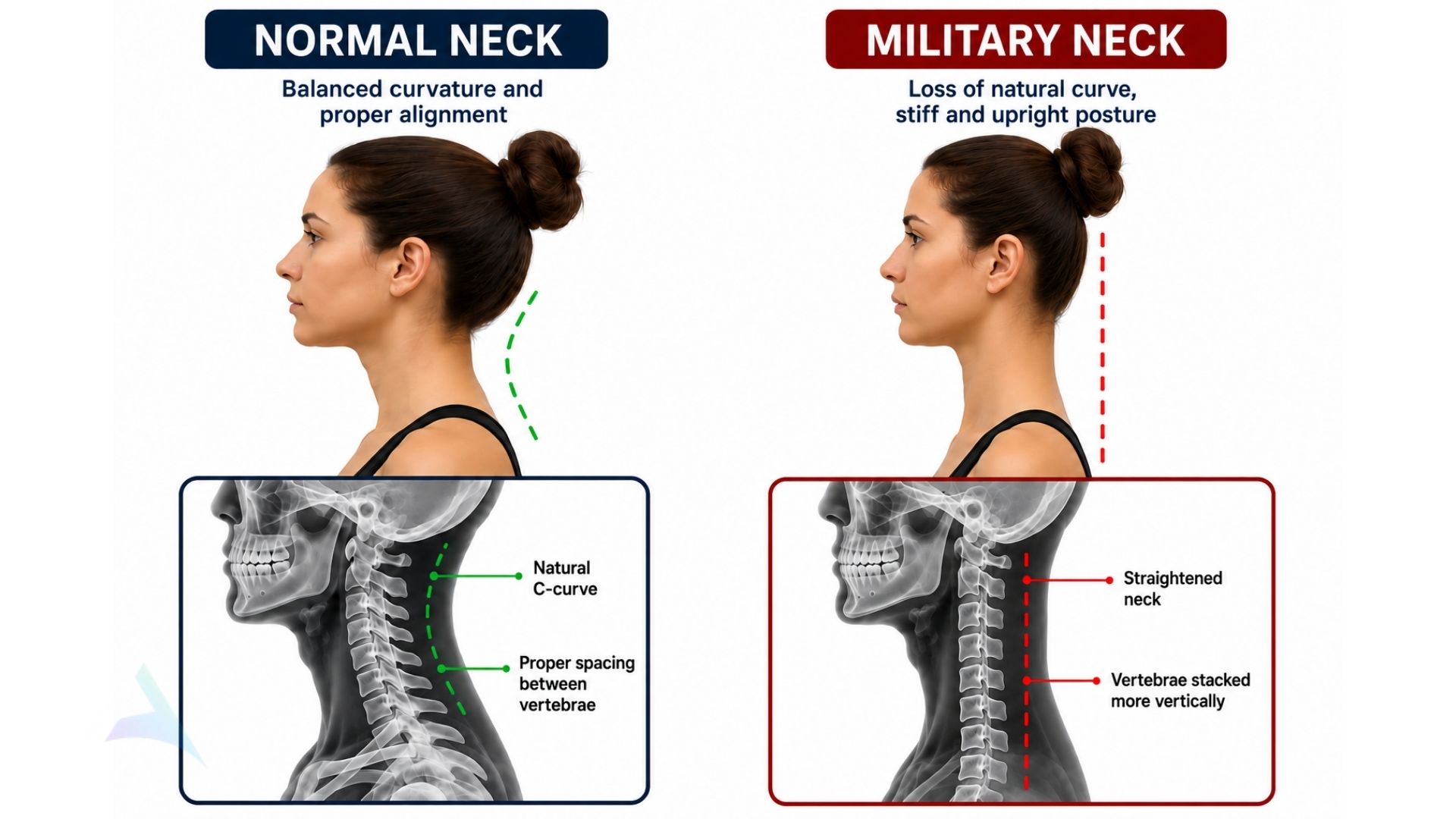
For many people, this tension accumulates over time, causing chronic tightness in the neck and jaw muscles. This not only contributes to discomfort but can also impact upper cervical alignment, particularly in the atlas (C1) and axis (C2) vertebrae.
The Neck-Nervous System Connection
The top two vertebrae in your neck protect the brainstem, the central hub for nervous system communication. Misalignments here can exacerbate the effects of stress by interfering with signals sent from the brain to the rest of the body.
Symptoms of nervous system interference caused or worsened by stress may include:
- Headaches and migraines
- Neck and shoulder pain
- TMJ pain or jaw clenching
- Fatigue and low energy
- Difficulty concentrating or "brain fog"
These symptoms often create a feedback loop, where physical discomfort increases stress, which in turn worsens nervous system interference.
How Upper Cervical Chiropractic Care Helps
Upper cervical chiropractic adjustments are designed to precisely restore alignment to the atlas and axis. When the top cervical vertebrae are aligned, the brainstem can function optimally, allowing for:
- Improved nerve communication
- Reduced muscular tension in the neck and jaw
- Enhanced stress resilience
- Better overall nervous system function
Patients often report a noticeable decrease in headaches, less neck tension, and improved mental clarity after care, highlighting the connection between alignment, stress, and nervous system health.

Additional Strategies to Manage Stress
In addition to upper cervical care, incorporating stress-management techniques can help reduce tension and protect nervous system function:
- Mindful Breathing: Slow, deep breaths activate the parasympathetic ("rest and digest") nervous system.
- Grounding Practices: Walking barefoot on grass or spending time in nature reduces sympathetic overactivation. See our post on grounding for nervous system health.
- Movement: Yoga, stretching, and gentle exercise help release accumulated tension in the neck and shoulders.
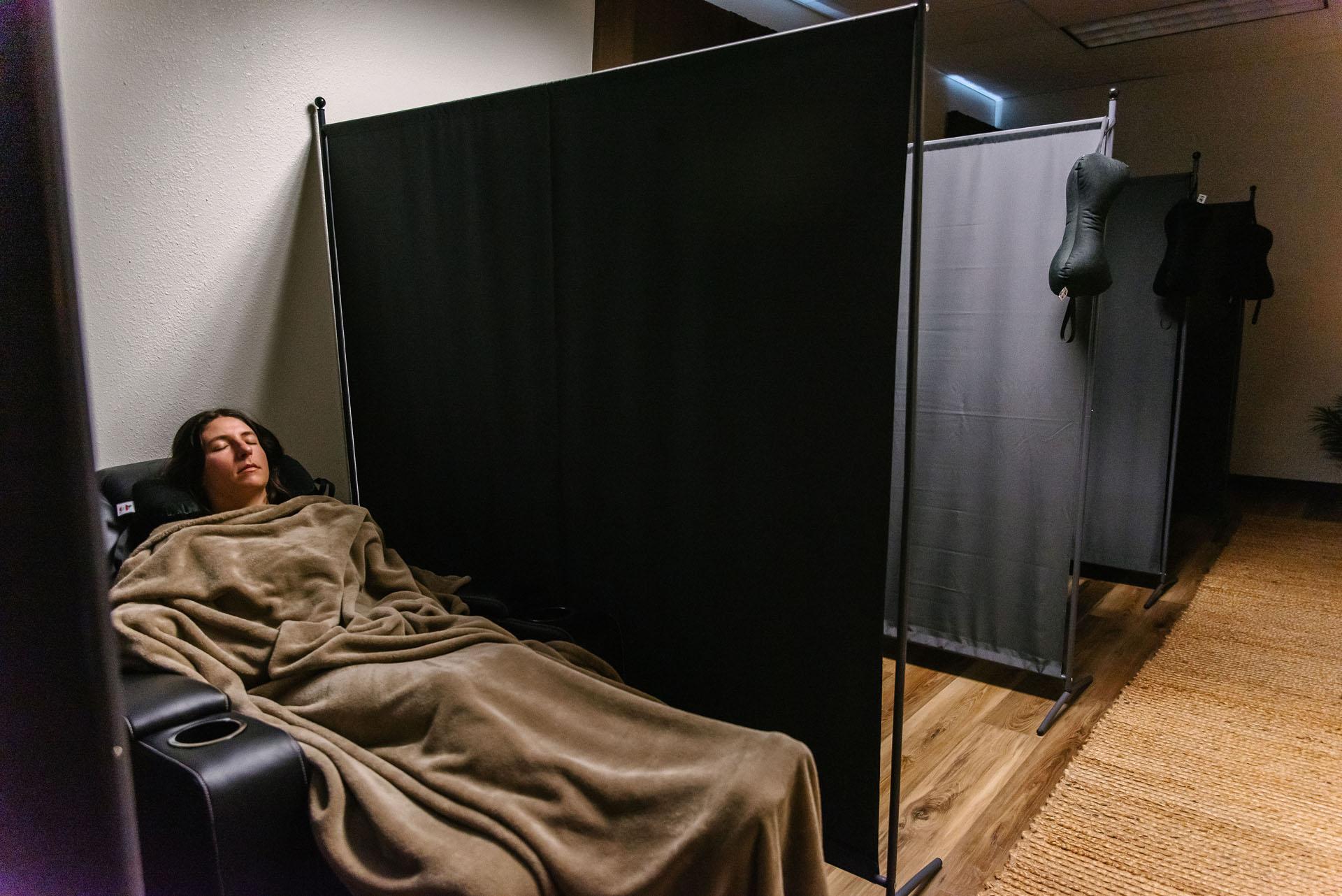
- Sleep Hygiene: Quality sleep supports nervous system recovery and stress regulation.
- Hydration and Nutrition: Proper hydration and a nutrient-dense, anti-inflammatory diet reduce stress on the body.
The Takeaway
Chronic stress doesn't just affect your mind — it impacts your neck, jaw, and nervous system. Tension in these areas can interfere with upper cervical alignment, further compounding stress-related symptoms.
Upper cervical chiropractic care removes interference from the brainstem, helping the nervous system communicate efficiently and reducing the physical effects of stress. Combined with mindful lifestyle habits, this approach allows your body to recover, function optimally, and better handle life's challenges.
✨ Bottom Line: Chronic stress can create a cycle of tension, misalignment, and nervous system interference. Supporting alignment with upper cervical care and adopting stress-management practices protects your nervous system and improves overall health, energy, and resilience.
Stress is showing up in your body — let's address it at the root.
Lifestyle habits help, but if upper cervical misalignment is keeping your nervous system in chronic fight-or-flight, those habits only go so far. At Peak Upper Cervical Center, we use functional nervous system testing to see exactly what's happening — and precise, gentle adjustments to remove the interference. Schedule your consultation today.