

What Is Nervous System Dysfunction?
The phrase "nervous system dysfunction" can sound complicated at first, but it really boils down to one simple idea: your brain and body aren't communicating the way they should. The nervous system is your body's master control system, responsible for sending and receiving signals that tell every organ, muscle, and tissue how to function. When those signals are scrambled, delayed, or even blocked, your body has a harder time carrying out its daily tasks. Over time, this breakdown in communication can lead to a wide variety of health concerns.
How Dysfunction Shows Up
Because the nervous system controls everything, dysfunction doesn't have a "one size fits all" appearance. It can look very different from one person to the next. For some, it might appear as migraines or tension headaches that never seem to go away. Others may notice dizziness or balance problems, making simple activities feel exhausting. Some people experience digestive issues, despite eating well and making lifestyle changes. Others live with chronic pain, brain fog, or constant fatigue that no amount of rest or caffeine seems to fix.
What all these symptoms have in common is that the body isn't functioning at its best. Your symptoms are not random; they are your body's way of raising a red flag. It's saying, "Something is off. Pay attention."
The Root Cause
So, what's behind this dysfunction? One of the most common — and often overlooked — culprits is interference at the very top of the spine.
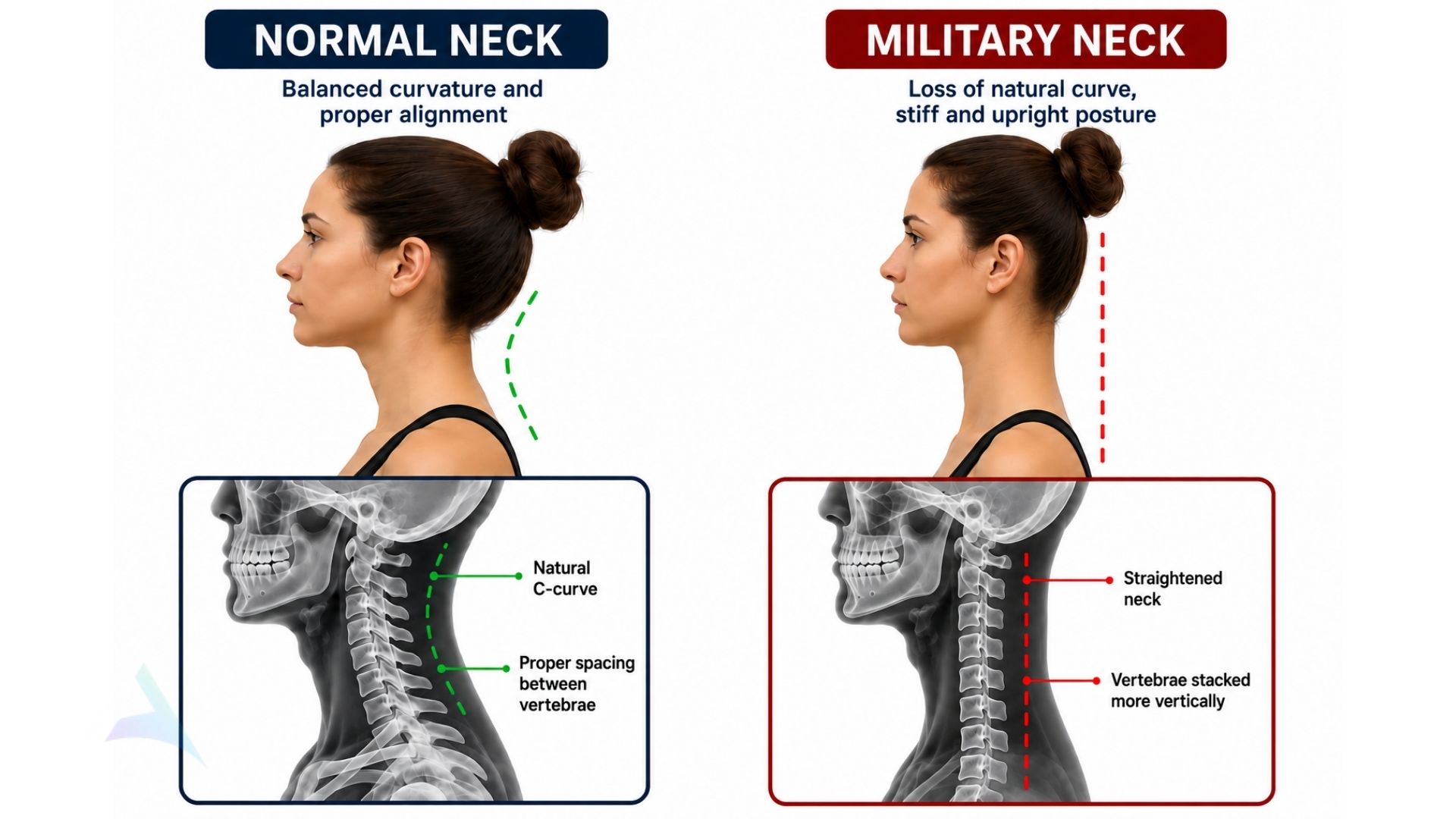
The atlas (C1) and axis (C2) vertebrae are uniquely important because they sit just beneath the skull and surround the brainstem. The brainstem is like the master switchboard for your entire body, managing vital functions such as breathing, heart rate, sleep, and balance.
When either the atlas or axis shifts out of alignment, it can create pressure or irritation around the brainstem and nearby nerves. This interference disrupts the smooth flow of communication between the brain and body. Even a slight misalignment can cause significant changes in how your nervous system functions.
That's why a misalignment in the upper neck can lead to such a wide variety of symptoms. A problem in one small area can ripple outward, affecting the entire body.

The Good News
The encouraging truth is that nervous system dysfunction doesn't have to be permanent. With precise upper cervical chiropractic adjustments, interference can be removed, and proper alignment can be restored.
These adjustments are gentle and highly specific, targeting the atlas and axis with accuracy rather than force. When alignment is corrected, the nervous system is able to function the way it was designed to. Nerve signals flow freely, blood circulation improves, and the body's natural healing processes can finally take over.
Patients often report feeling clearer, lighter, and more energized after care. Over time, many experience significant relief from symptoms like headaches, dizziness, and fatigue. But beyond symptom relief, the deeper benefit is this: a nervous system that can finally communicate without interference.
Many patients also find that supportive therapies can complement their chiropractic care. Red light therapy, for example, uses targeted wavelengths to support cellular repair and reduce inflammation throughout the body. LumeBox offers a portable, clinician-grade red light therapy device — and Peak patients can access an exclusive $260 discount through our partner link.
A Healthier You
Nervous system dysfunction may sound intimidating, but in reality, it's simply a breakdown in communication. The symptoms you feel are signals, pointing to something deeper. The good news is that with precise chiropractic care, you can restore that vital connection, reduce dysfunction, and give your body the ability to thrive again.
If you're experiencing unexplained symptoms and want to explore a natural, root-cause approach, schedule a consultation at Peak Upper Cervical Center in Boise to learn about our gentle, precise process.