


The Connection Between the Jaw and Neck
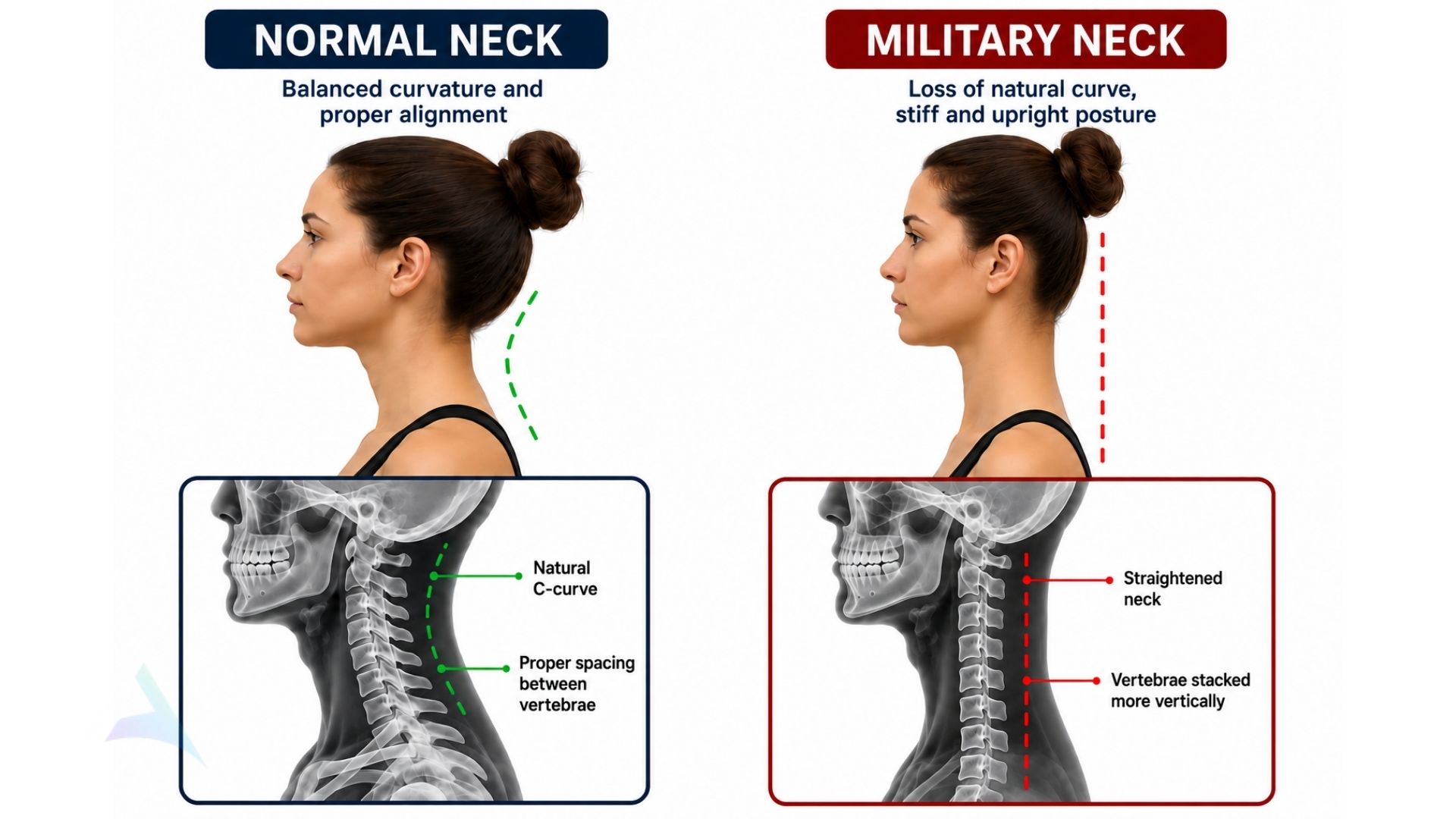
The jaw is supported by muscles and ligaments that attach to the skull and upper cervical vertebrae. When the atlas or axis is misaligned, it can:
- Alter the way jaw muscles function
- Create tension in the neck and upper shoulders
- Affect bite alignment and TMJ movement
- Contribute to headaches, ear ringing, and jaw soreness
This relationship explains why some individuals experience TMJ pain that seems resistant to traditional dental treatments. The root cause may lie in upper cervical misalignment, not the jaw itself.
Stress, Clenching, and Nervous System Interference
Chronic stress often leads to jaw clenching and teeth grinding, which increases tension in the TMJ and neck muscles. Misalignments in the upper cervical spine exacerbate this tension by interfering with brainstem communication. The brainstem regulates muscle tone, joint function, and pain signaling throughout the body, so when it's compromised, it can intensify TMJ symptoms.
By addressing the underlying cervical misalignment, upper cervical chiropractic care can reduce stress on the jaw muscles and restore proper nervous system communication, often providing relief that patients haven't experienced through other treatments.
How Upper Cervical Adjustments Support TMJ Health
Upper cervical adjustments are precise, gentle corrections that restore proper alignment to the atlas and axis. For TMJ sufferers, these adjustments can:
- Decrease neck and jaw tension
- Reduce headache frequency and intensity
- Improve bite and jaw function
- Support optimal nervous system communication
Many patients notice improvement in both jaw comfort and related symptoms, such as headaches, ear ringing, and shoulder tension, after consistent upper cervical care.

Lifestyle Strategies to Support TMJ Relief
While upper cervical care addresses the root cause, additional strategies can enhance relief and reduce stress on the jaw:
- Stress Management: Meditation, deep breathing, or grounding exercises help relax jaw and neck muscles.
- Jaw Exercises: Gentle stretches and controlled movements can relieve tension without overworking the joint.
- Mindful Habits: Avoid chewing gum excessively, clenching teeth, or resting your chin on your hand.
- Proper Posture: Maintaining alignment in the head and neck reduces stress on the TMJ and supporting muscles.
- Sleep Positioning: Using supportive pillows and sleeping in a neutral neck position can minimize nighttime clenching.
The Nervous System Connection
The TMJ is just one example of how upper cervical alignment affects the whole body. Misalignments at C1 and C2 can impact muscles, nerves, and joints throughout the body, and addressing these misalignments can improve not only TMJ pain but also headaches, dizziness, and even posture-related discomfort.
Supporting proper alignment allows the nervous system to function efficiently, reducing pain and tension throughout the head, neck, and shoulders.
✨ Takeaway: TMJ pain is often linked to more than just the jaw. Misalignments in the upper cervical spine can contribute to jaw tension, headaches, and nervous system dysfunction. Correcting these misalignments can provide lasting relief and improved overall function.
✅ Bottom Line: Upper cervical chiropractic care addresses the root cause of TMJ pain by restoring alignment to the atlas and axis. Supporting nervous system function through proper alignment can help reduce jaw tension, headaches, and associated symptoms, giving patients a real path to relief.
TMJ treatments not working? Let's look higher up.
If jaw pain, headaches, or ear ringing persist despite dental care, the upper cervical spine may be the missing piece. At Peak Upper Cervical Center in Boise, we use advanced 3D imaging and functional nervous system testing to evaluate exactly how your atlas and axis may be contributing to your symptoms. Schedule your consultation today.